Microsoft's Controversial PUBG Ad: A Story of Fan Art vs. Corporate Marketing in 2026
Microsoft's PUBG Xbox ad controversy spotlights the clash between fan creativity and corporate marketing, igniting debate over inspiration vs. appropriation.
Okay, so I just stumbled upon this wild story from a few years back that still feels super relevant to how big companies interact with fan communities today. It all started when a Reddit user named Macsterr accused Microsoft of straight-up copying his fan-made concept for a PlayerUnknown's Battlegrounds (PUBG) advertisement. Can you imagine? You're just a regular player, you create something cool for a game you love, and then you see a multi-billion dollar corporation using something that looks suspiciously similar. The internet was buzzing! Microsoft's initial response? They pulled the ad from all their social media channels. Xbox's famous community figure, Larry "Major Nelson" Hryb, stepped in and said the whole thing was being "investigated." He promised to follow up with Macsterr personally once the investigation wrapped up. But honestly, the whole situation was a giant gray area. Even if Microsoft admitted to using his idea, Macsterr wasn't hired by them, and he didn't own the PUBG intellectual property. It was fan art. Microsoft, on the other hand, had paid for PUBG to be a temporary Xbox One console exclusive. They had every right to promote the game. It was a classic clash: passionate fan creativity vs. corporate marketing power.
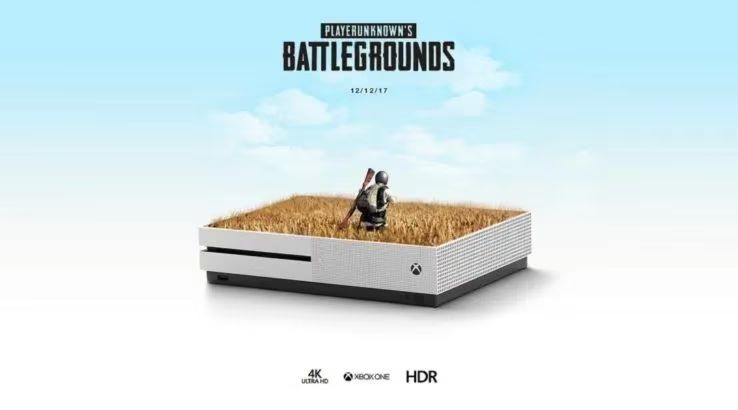
Let's break down the visuals because this is where things get really interesting. Macsterr's concept had a specific, gritty vibe. It wasn't just a screenshot; it told a story. Then, Microsoft's official ad dropped.
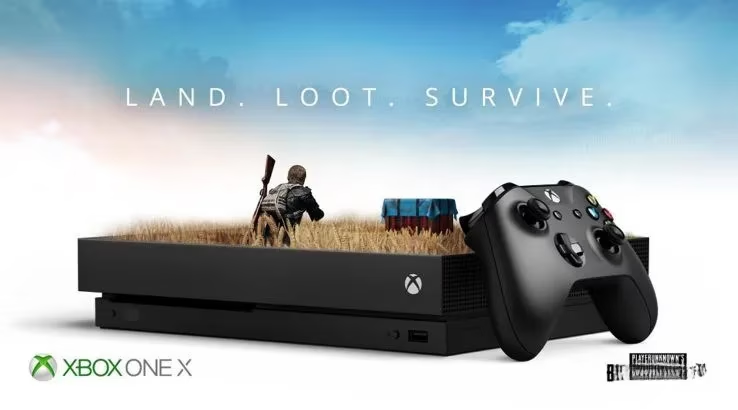
The similarities were... hard to ignore. The composition, the mood, the overall feel. It wasn't a pixel-for-pixel copy, but the inspiration seemed clear. This sparked a huge debate online about what constitutes inspiration and what crosses the line into appropriation. For a game like PUBG, which exploded on Xbox—hitting over 1 million players in its first 48 hours on the platform—marketing was everything. Microsoft clearly had a lot riding on its success.
So, what happened next? The controversy eventually died down, as these internet storms often do. Microsoft likely had a whole roster of ad campaigns ready to go. They could have just waited for the noise to fade and re-released the ad, or they could have pivoted to a completely new concept. Looking back from 2026, this incident feels like a precursor to how companies now navigate user-generated content (UGC). Back then, the lines were blurrier. Today, many studios have clearer fan content policies and even official channels for showcasing community work, sometimes with proper credit or even compensation.
But this story wasn't just about an ad. It highlighted a bigger challenge for PUBG on console. Clever ads could get people in the door, but keeping them playing was a whole different battle. In 2026, we take for granted how polished live-service games are, but back then, the Xbox One version of PUBG was in its Game Preview phase. It had a long, long way to go to catch up to the PC version.
The PC version was just objectively better in almost every way:
-
Performance: It ran smoother, with higher frame rates.
-
Content: It had more maps, including the fan-favorite desert map, Miramar, which Xbox players had to wait for.
-
Updates: Patches and new content arrived on PC first.
Microsoft and PUBG Corp. needed more than marketing muscle; they needed a solid, ongoing commitment to improving the actual game. Regular updates, performance fixes, and new content were essential to prevent the massive player base from jumping ship to the next big thing. This incident, in a weird way, put a spotlight on the game's state. People weren't just talking about the ad; they were comparing the console and PC experiences.
Reflecting on this in 2026 is a trip. The gaming landscape has evolved so much. Fan art and community creations are now a huge part of a game's ecosystem, often embraced officially. But this Microsoft-PUBG ad saga remains a cautionary tale and a fascinating case study. It asks questions we're still answering:
-
Where is the line between fan inspiration and corporate asset?
-
How should companies acknowledge community creativity?
-
Can flashy marketing ever make up for a lacking game experience?
For us players, it's a reminder of the power of our voices and creations. And for the big players in the industry, it's a lesson in respecting the community that fuels their success. The next time you see a stunning game ad, you might just wonder about the story behind it. PlayerUnknown's Battlegrounds, by the way, is still going strong, having long since left its Game Preview days behind on all platforms. What a journey! 🎮✨