My Personal Journey with PUBG Mobile in Modern India: Beyond the Headlines
PUBG Mobile and addiction intertwine in this gripping narrative, revealing the game's profound cultural impact and the challenges of digital obsession.
As I sit here in 2026, looking back at my phone, it's hard to believe how a single game could weave itself so deeply into the fabric of daily life, sparking national debates and personal reckonings. I still remember the viral Tik Tok video from a few years ago—the groom completely lost in a PUBG Mobile match at his own wedding, aggressively pushing away a gift that dared to block his screen. While the world outside India had largely moved on to other games, for us, PUBG Mobile wasn't just a trend; it was a cultural phenomenon, a digital companion, and for some, a source of real conflict. That video wasn't just a funny clip; it was a mirror held up to a society grappling with a new kind of obsession.
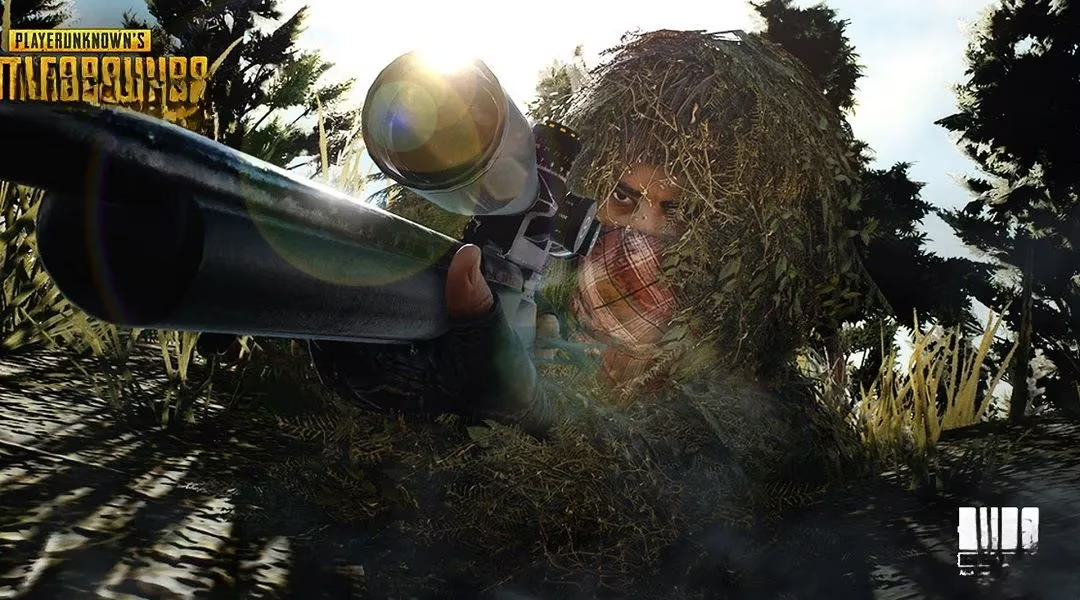
My own story with PUBG Mobile began innocently enough. Everyone was playing it—friends, cousins, even colleagues during lunch breaks. The thrill of the battleground, the strategy of the final circle, the sheer joy of a "Winner Winner Chicken Dinner!" It was irresistible. But soon, the headlines started to paint a darker picture. Publications ran stories with alarming claims, suggesting the game was influencing young minds in negative ways. I recall one article that went as far as accusing PUBG of turning kids into psychopaths. Was the game I enjoyed so much truly that corrosive? This question lingered every time I launched the app.
The societal reaction was swift and, at times, extreme. I witnessed firsthand how the perception shifted from seeing gamers as hobbyists to viewing them with suspicion.
-
Bans and Arrests: Certain cities and districts imposed outright bans. News reports of police arresting people simply for playing the game in public spaces felt surreal. Could enjoying a game really be a punishable offense?
-
Family Tensions: The viral Facebook post about a man allegedly leaving his pregnant wife to play PUBG, though unverified, fueled countless family arguments. "Don't end up like that," became a common refrain from worried parents.
-
The Addiction Narrative: Some organizations declared PUBG addiction a worse societal ill than drug addiction. This framing created a massive generational divide. Were we, the players, truly addicts, or were we just passionate about a global pastime?
This environment forced me to reflect. Was I ignoring my real-world responsibilities? Was the virtual battleground overshadowing my actual life? I started noticing my own habits: checking my phone first thing in the morning for the daily login bonus, feeling a pang of anxiety if I missed a limited-time event, and sometimes choosing "just one more match" over sleep. The game's design was masterful at creating these engagement loops, but where was the line between healthy engagement and problematic use?
Looking at it from 2026, with the benefit of hindsight, the situation was a complex mix of genuine concern and moral panic. The game's immense popularity made it a convenient scapegoat for broader issues like screen time management, intergenerational disconnect, and the challenges of parenting in a digital age. The stories of extreme behavior, like the wedding groom, were real but not representative of the millions who played responsibly.
So, what has changed? How did we, as a community of players, navigate this? Here’s my personal take on the evolution:
| The Problem (Then) | The Shift & My Perspective (Now) |
|---|---|
| Public Shaming & Bans | A move towards digital literacy education in schools and homes, focusing on balanced use rather than outright prohibition. 🧠 |
| Fear-Based Headlines | More nuanced public discussions about game design, mental health, and personal responsibility, rather than demonizing one title. 💬 |
| Isolation & Addiction Fears | The rise of positive gaming communities within PUBG and other games that emphasize teamwork, strategy, and even organizing for social causes. 🤝 |
Ultimately, my journey with PUBG Mobile taught me a valuable lesson about moderation and self-awareness. The game itself wasn't the villain; it was a incredibly engaging piece of entertainment. The real challenge was, and always is, learning to integrate these powerful digital experiences into our lives without letting them take over. Today, I still enjoy the occasional match with old friends, but the frantic obsession is gone, replaced by a balanced appreciation. The "PUBG problem" wasn't really about the game—it was about us learning to live with it. And perhaps, that was the most important battle of all.