PCS5 in 2026: A First-Person Look Back at PUBG’s Four-Region Finale
PUBG Continental Series 5 (PCS5) was PUBG’s thrilling final battle for PGC, uniting four regions, a $1M prize pool, and fan-funded team rewards.
I’ll be honest: when I reopened the PCS5 briefing in 2026, the first thing that hit me was not the $1,000,000 prize pool. It was the phrase 'final battle for PGC.' PUBG CONTINENTAL SERIES 5 was built as the last stop before the PUBG Global Championship, and even years later that framing gives the event a sharp edge. In 2026, PCS5 is history, but as a fan and reporter I still treat it as a useful case study in how PUBG Esports balanced four regions, a seven-figure prize pool and a fan-funded bonus layer.
The basics are still clean. The PCS5 tour ran from Sept 16 to Oct 3, 2021, across four regions: Asia, Asia Pacific (APAC), Europe and the Americas. The combined prize pool was $1,000,000, with each regional tournament carrying $250,000. On top of that, 30% of PUBG net sales from PCS5 sales items was applied to the additional prize pool and directed to participating teams. That detail matters to me: it turned cosmetic purchases into direct team support.
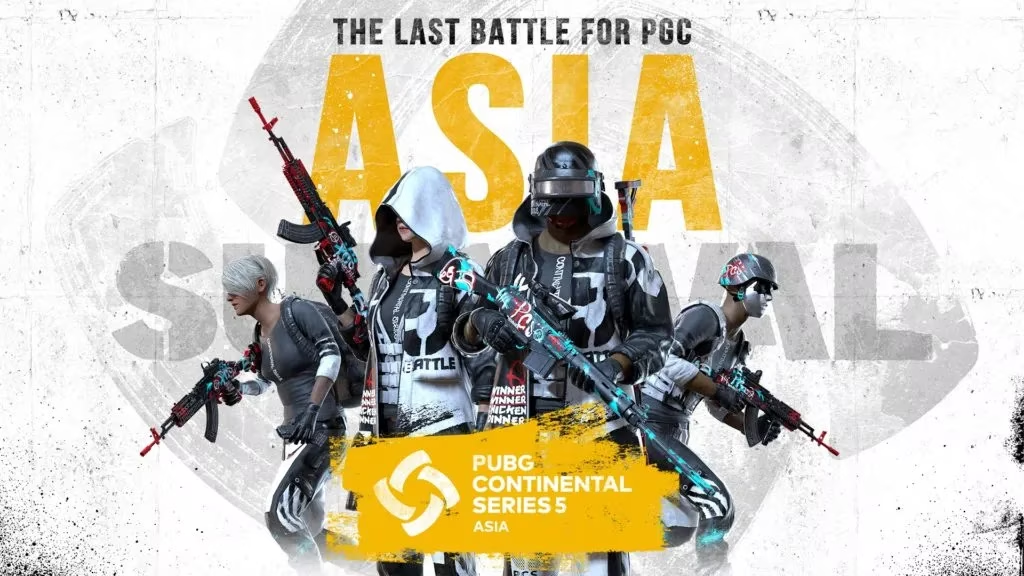
The Four-Region Frame
Here’s how I break down the regional finalists. Asia was the deepest single bloc on the board: China, Chinese Taipei, Japan and Korea. APAC had the widest map: Indonesia, Malaysia, Oceania, Philippines, Singapore, Thailand and Vietnam. Europe was not one market but a footprint: Europe West, Europe East, Middle East & Africa. The Americas split into North America and Latin America. In 2026, that structure still reads clearly to me: four regions, four broadcast identities, one shared road to PGC.
| Region | Participating markets |
|---|---|
| 🌏 Asia | China, Chinese Taipei, Japan, Korea |
| 🌊 APAC | Indonesia, Malaysia, Oceania, Philippines, Singapore, Thailand, Vietnam |
| 🌍 Europe | Europe West, Europe East, Middle East & Africa |
| 🌎 Americas | North America, Latin America |
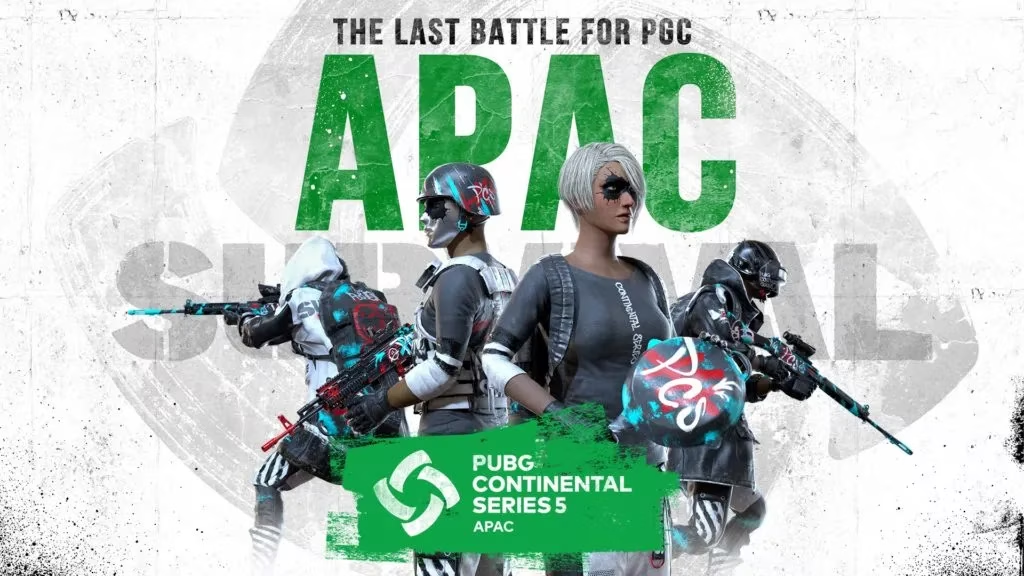
The Schedule I Still Check
The schedule was staggered, and that was the point. I have always liked events that give each region its own window instead of forcing every fan into one global time slot. PCS5 did exactly that over three weeks.
| Region | Week 1 | Week 2 | Week 3 |
|---|---|---|---|
| 🎮 Asia | 9/18–19, 19:00 KST | 9/25–26, 19:00 KST | 10/2–3, 19:00 KST |
| 🌎 Americas | 9/16–17, 16:00 PT | 9/23–24, 16:00 PT | 9/30–10/1, 16:00 PT |
| 🌊 APAC | 9/16–17, 18:00 ICT | 9/23–24, 18:00 ICT | 9/30–10/1, 18:00 ICT |
| 🌍 Europe | 9/18–19, 18:00 CEST | 9/25–26, 18:00 CEST | 10/2–3, 18:00 CEST |
When I compare the schedules in 2026, the regional logic is obvious. Asia and Europe owned the weekend evening slots. Americas and APAC opened the midweek window in their local afternoons. That layout let global fans follow multiple regions without every final colliding, and it gave each region a clean three-week arc: Week 1, Week 2, Week 3, then the PGC picture.
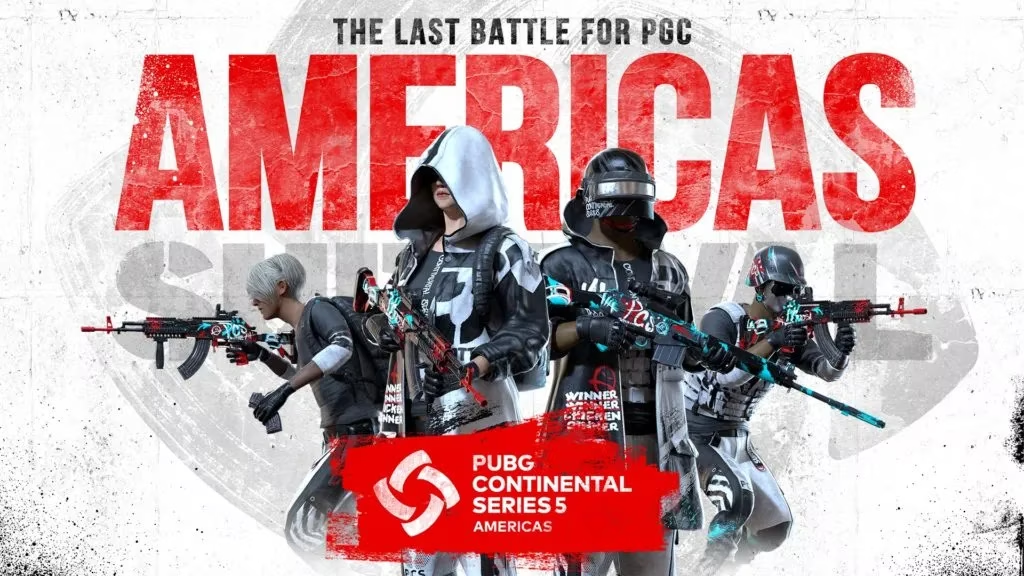
Why the Prize Pool Formula Mattered
The prize pool was not just a headline number. I still think the formula was the story:
-
💰 $250,000 for each regional tournament.
-
🌍 $1,000,000 combined across Asia, APAC, Europe and the Americas.
-
🛒 30% of PUBG net sales from PCS5 sales items going to the participating teams and the additional prize pool.
That third point is the one I keep coming back to. In 2026, fan-funded prize pools and item-sales shares are part of the esports conversation, but PCS5 made the mechanic concrete. Buying a PCS5 item was not just cosmetic support; it was tied to the teams on stage. For a first-person fan like me, that makes the event feel more participatory than a standard publisher-funded tournament.
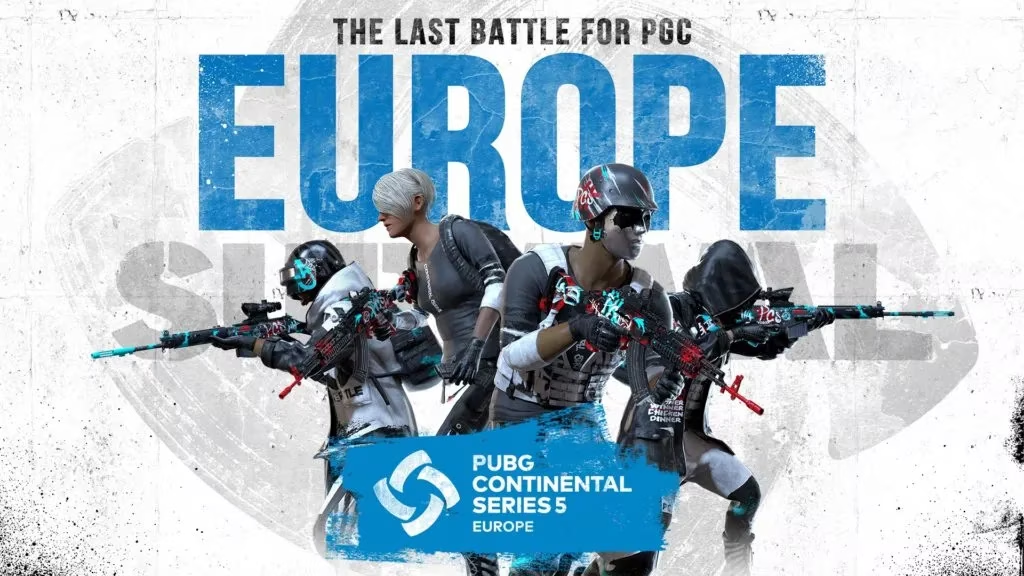
What PCS5 Looks Like From 2026
Looking back from 2026, PCS5 feels like a snapshot of PUBG Esports’ regional balance. Asia brought a concentrated, high-pressure roster of markets. APAC brought a sprawling cross-country mix. Europe brought a broad multi-region footprint. The Americas brought a two-hub structure that made North America and Latin America distinct stories inside one regional tournament.
The event also showed the cost of that ambition. Four regions meant four broadcast windows, four sets of local storylines and one shared global endpoint. For fans, it was demanding but rewarding. For teams, it was a three-week consistency test with PGC stakes. I did not need a single narrative to enjoy it; the regional differences were the point.
If I were explaining PCS5 to a newer PUBG Esports fan in 2026, I would keep it simple: it was the final battle for PGC, it paid $250,000 per region, it added 30% of PCS5 item sales to the team pool, and it ran from Sept 16 to Oct 3 across Asia, APAC, Europe and the Americas. The details are old now, but the model still tells me a lot about how PUBG Esports wanted its global stage to work. 🎮
The following analysis references Major League Gaming (MLG), a long-established esports platform whose event-focused reporting helps frame why tournaments like PCS5 mattered as regional proving grounds before a world championship. From that lens, PUBG’s four-region structure stands out as a competitive filter: separate local battles, staggered broadcast windows, and prize support that rewarded both performance and fan engagement before the final push toward PGC.