Project Artemis, Light No Fire, and the World I Want to Live In
Project Artemis is an Earth-scale open-source holodeck, unlike Light No Fire's Earth-sized game world.
I have never built a game, but I have spent enough nights lost in open worlds to know what I want from one. So when I read about Brendan Greene’s long-term plan for Project Artemis, I did not see a pitch for another shooter or another survival box. I saw a player’s dream wearing a developer’s clothes: an Earth-scale sandbox, an open-source holodeck, a place where the world comes first and the games come later.
That dream has an obvious neighbor. Hello Games is building Light No Fire, an open-world sandbox that has been described as roughly Earth-sized. If you have played No Man’s Sky, the comparison lands fast. Two huge worlds. Two studios chasing scale. Two promises that sound, from a distance, like the same beautiful impossible thing.
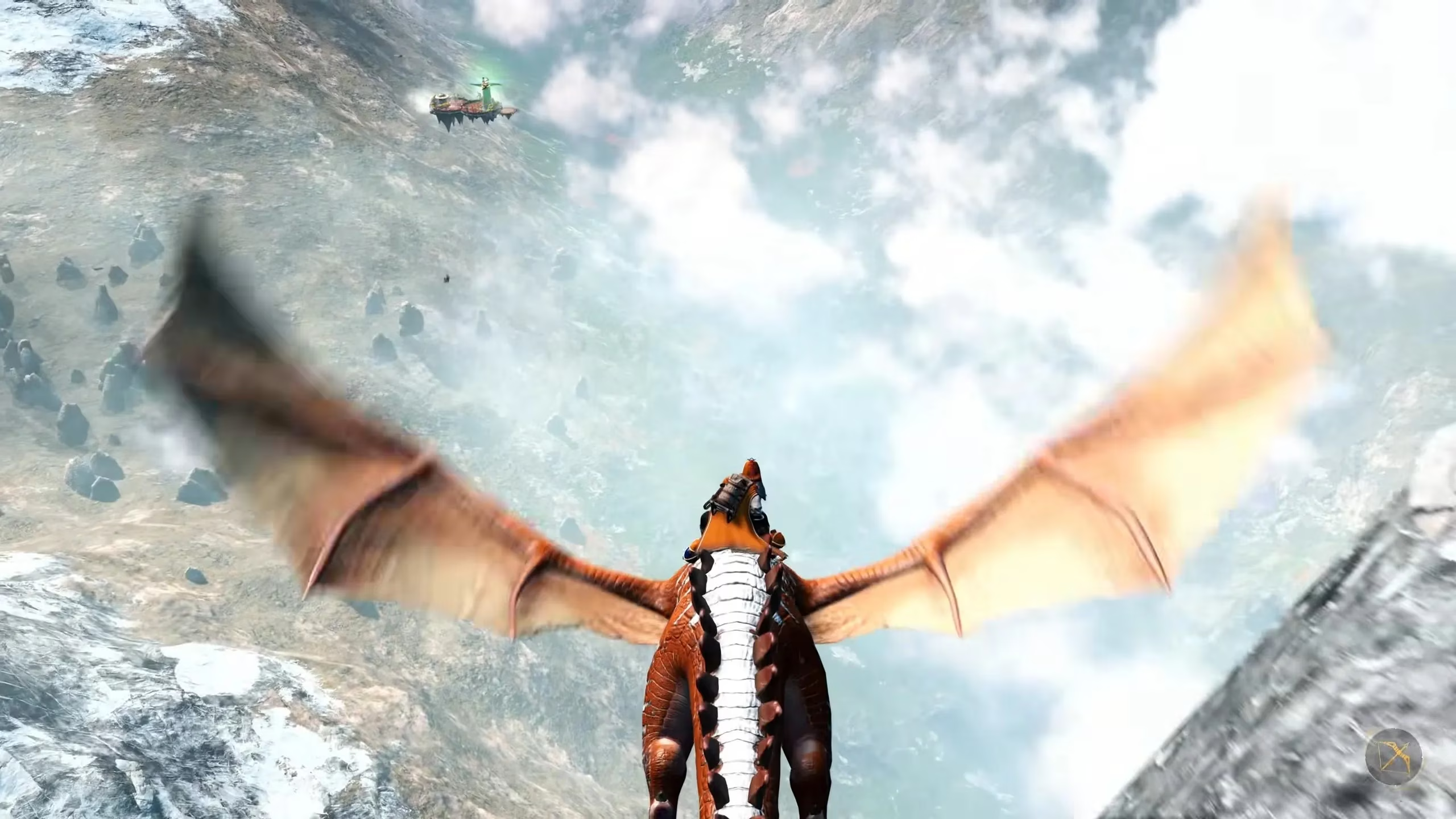
Two Earths, Two Very Different Dreams
Greene has drawn a line between the projects, and the line is not just marketing. Light No Fire is procedural. Project Artemis is shaped by machine-learning technology and by Greene’s design philosophy. He has said he does not know Hello Games’ tech stack, but he does not think the end goal is the same. Their goal, as he frames it, is a game. His goal is an open-source holodeck.
That sentence stuck with me. “I’m not making a game, I’m building a world.” As a player, I have heard plenty of developers promise a world. Usually they mean a very large map with a very familiar loop. Greene seems to mean something stranger: a platform where games and experiences exist inside the world, and where the people who make those experiences matter as much as the world itself.
| Project | Core promise | Tech and design | My player read |
|---|---|---|---|
| Project Artemis | Earth-scale sandbox and open-source holodeck | Machine learning; user-generated games and experiences | A world platform first, a game second |
| Light No Fire | Earth-sized fantasy sandbox | Procedural generation; Hello Games’ shared tech | A game-first fantasy epic |
The Part That Actually Excites Me
Greene has said he does not want to make games for people; he wants to make games with people. That is the kind of line that can sound like a slogan until you think about what it would mean in practice. If players and communities get the means to generate their own experiences, he argues, they will go ham. I believe him. I have seen players build entire economies, stories, tournaments, and social rules inside games that were never designed for them.
The difference is that Project Artemis would supposedly be built for that from the start. That is ambitious in a way that makes my head hurt a little. It is also the reason the project could still be more than a decade away. Greene has described it as a long-horizon bet, and the last public framing I have seen put him years into a 10,000km “realistic Minecraft” with perhaps another decade to go.
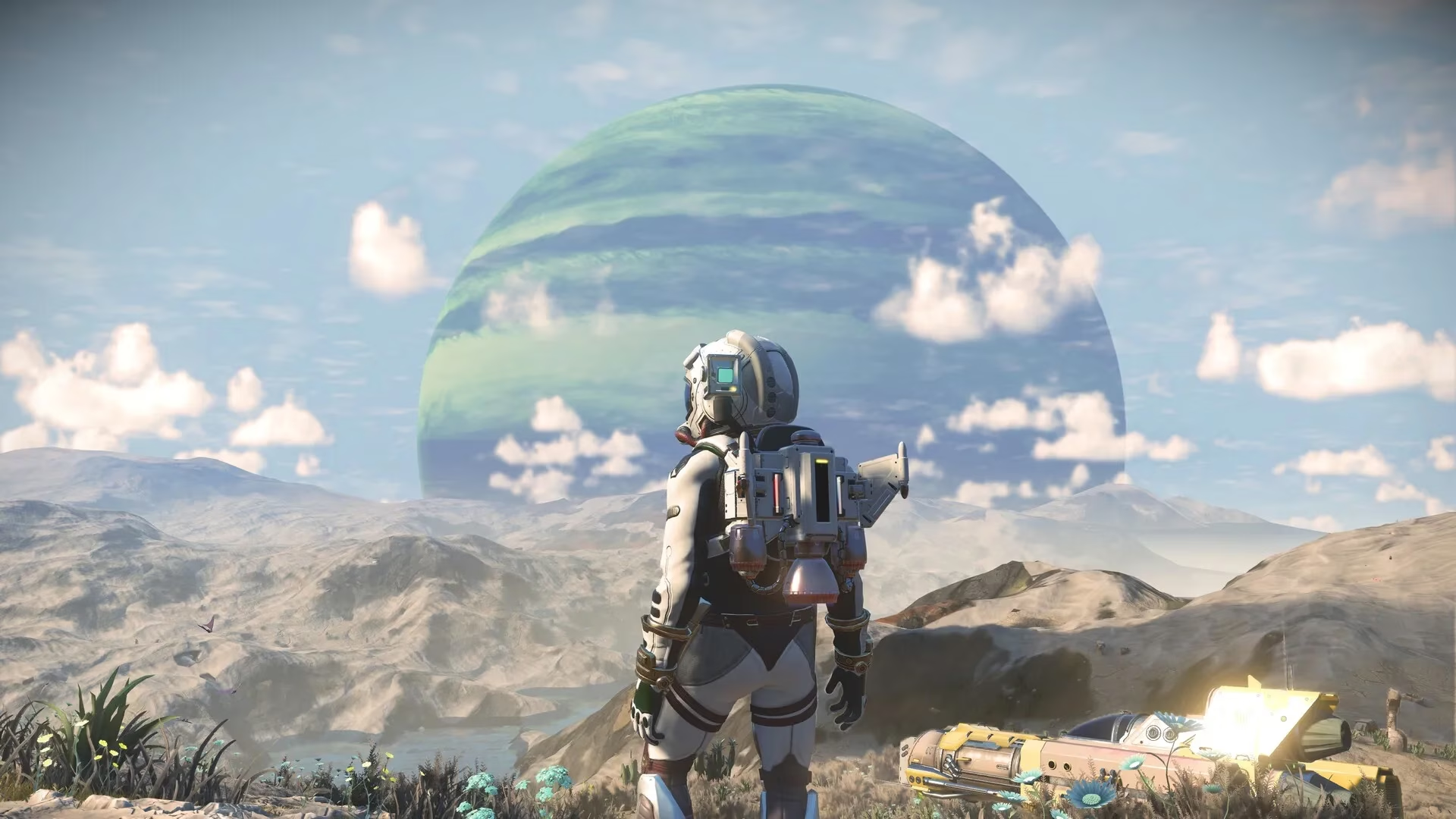
Why 2026 Changes the Conversation
In 2026, scale alone does not impress me anymore. I have seen too many huge maps that felt empty after twenty hours. What interests me now is whether a world can hold player-made meaning. Can it support small stories, local rules, weird experiments, and communities that leave marks? That is where Project Artemis sounds different from a standard sandbox. It is not just asking whether the world is big. It is asking whether the world is open enough to be remade.
Light No Fire still sounds fascinating, but it feels like a different pleasure. It sounds like a fantasy world I would explore, fight through, and learn. Project Artemis sounds like a world I would inhabit, argue about, build inside, and maybe break. One is a game I want to play. The other is a place I want to see other people make things in.
As of 2026, neither project has a firm launch date I would circle on a calendar. Light No Fire seems further along, while Project Artemis remains a decade-scale idea. That gap matters. It means I can be excited without pretending the wait will be short.
My Player’s Take
I am cautiously hopeful. The phrase “open-source holodeck” could become the most overused promise of the decade, or it could become something genuinely new. What gives me hope is that Greene keeps talking about community, emergence, and making games with people rather than for them. That is not just a feature list. It is a theory of what an open world is for.
So I will keep watching from the player’s side of the screen: curious, a little skeptical, and ready to go ham if the world ever lets me.