PUBG Ban in Gujarat Results in Player Arrests and Renewed Debate on Gaming Addiction
The 2026 PUBG ban in Gujarat, driven by gaming addiction concerns, continues to trigger police arrests and legal battles, highlighting the intense clash between digital entertainment and regulatory efforts to protect youth welfare and public order.
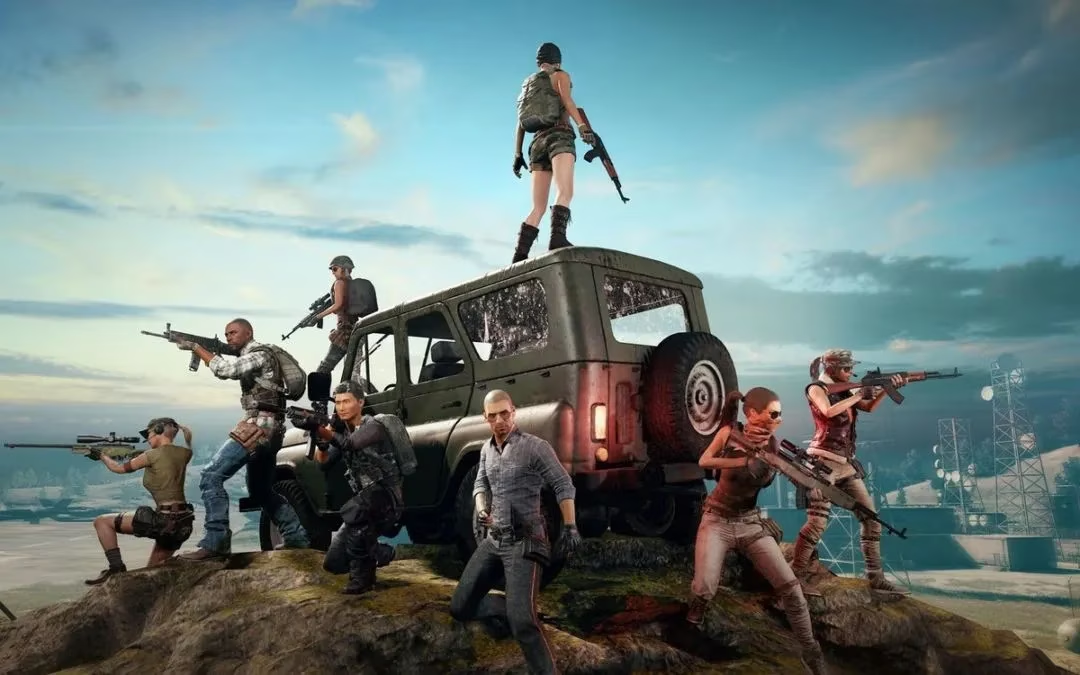
In 2026, the repercussions of a gaming ban enacted years prior continue to spark discussion. The western Indian state of Gujarat imposed a prohibition on the renowned battle royale game PlayerUnknown's Battlegrounds, a decision that has had lasting legal and social consequences. This action, initially linked to concerns over the viral Momo Challenge hoax, has most notably led to police interventions and arrests of individuals found playing the game in violation of the ban, highlighting ongoing tensions between regulatory authority and digital entertainment culture.
Enforcement and Arrests
Local police authorities have actively enforced the ban, which remains in effect. As part of their operations, officers have confiscated mobile devices for investigation, aiming to deter individuals from accessing the game. A notable incident involved the arrest of ten PUBG players. Reports indicated that six of those detained were undergraduate students, apprehended after being caught in the act. The authorities charged the individuals under legal statutes for violating the official prohibition order issued by the Police Commissioner. A police statement at the time emphasized the game's perceived addictive nature, noting that the accused players were so deeply engrossed that they failed to notice the approaching police team. Following protocol, those taken into custody were typically bailed out promptly, with their cases then proceeding to the court system for trial.
Rationale Behind the Ban
The justification for the sustained ban has been consistently framed around concerns for youth welfare and public order. Official notifications cited media reports suggesting that PUBG and phenomena like the Momo Challenge were fostering violent attitudes among young people. The concerns extended beyond mere conduct, with authorities asserting that the game negatively impacted academic performance, general behavior, and even the language used by children and adolescents. This regulatory stance reflects a broader, enduring apprehension about the influence of immersive digital content.
Context of Gaming Addiction Concerns
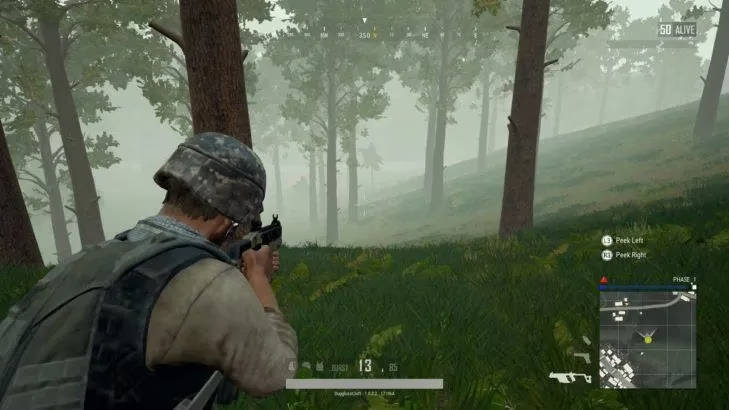
The situation in Gujarat did not occur in a vacuum; it was part of a wider, ongoing debate about video game addiction and its societal impact. For years, concerns have been raised by various groups within India. For instance, student associations in other regions have previously described addiction to PUBG Mobile as a problem potentially "worse than drug addiction," citing its pervasive accessibility and engaging design. Extreme cases reported in past years, such as individuals neglecting familial responsibilities or employment due to compulsive gaming, have fueled these concerns and provided a backdrop for regulatory actions. It is important to contextualize that while the ban remains specific to Gujarat, the game continues to be legally accessible in other parts of the country, creating a patchwork of regulation.
Broader Implications and Lasting Debate
The enforcement actions and the underlying ban have catalyzed a persistent discussion on several key issues:
-
Regulatory Authority vs. Personal Freedom: The case challenges the limits of state intervention in regulating digital entertainment and personal leisure activities.
-
Defining Addiction: It prompts ongoing questions about how societies clinically and culturally define behavioral addictions related to technology.
-
Parental and Institutional Role: The situation underscores the debate over whether responsibility for managing children's screen time lies primarily with families, educational institutions, or government bodies.
A comparative look at the arguments often reveals a complex landscape:
| Perspective in Favor of Caution/Regulation | Counter-Perspective or Critique |
|---|---|
| Cites potential for negative impact on youth behavior and studies 📚 | Argues for individual responsibility and parental guidance 👨👩👧👦 |
| Points to isolated extreme cases of life disruption as warning signs ⚠️ | Highlights the game's popularity as a social and competitive platform for millions 🏆 |
| Seeks protective measures for vulnerable demographics 🛡️ | Questions the efficacy and fairness of blanket bans over targeted education 🎯 |
PlayerUnknown's Battlegrounds, a title that pioneered the battle royale genre, remains available on multiple platforms including mobile devices, PC, and consoles. The situation in Gujarat serves as a long-standing case study in the global conversation about balancing the undeniable appeal and community aspects of modern video games with genuine concerns about excessive use and its effects. As digital entertainment evolves, the dialogue between community standards, personal freedom, and protective legislation continues, with this episode remaining a frequently referenced example of direct state intervention in the realm of gaming.