PUBG Cross-Platform Party & Team Deathmatch: Uniting Console Players in 2025
PUBG cross-platform play and Team Deathmatch on PlayStation and Xbox deliver thrilling, unified multiplayer action for console gamers.
In the ever-evolving landscape of online gaming, few features have been as requested by the community as seamless cross-platform play. For months, PlayerUnknown's Battlegrounds (PUBG) on PlayStation and Xbox consoles had allowed players to encounter each other in the same matches, but forming a premade squad with friends on the opposite platform remained a frustrating barrier. 😩 That long-awaited dream finally became a reality with the landmark 6.2 update. This patch, mirroring the Team Deathmatch (TDM) update that first debuted on PC, fundamentally changed how console players connect. It wasn't just about sharing a battlefield anymore; it was about truly teaming up, regardless of whether your controller was for PlayStation or Xbox. The feature initially rolled out on test servers, giving players a tantalizing preview before the full deployment.
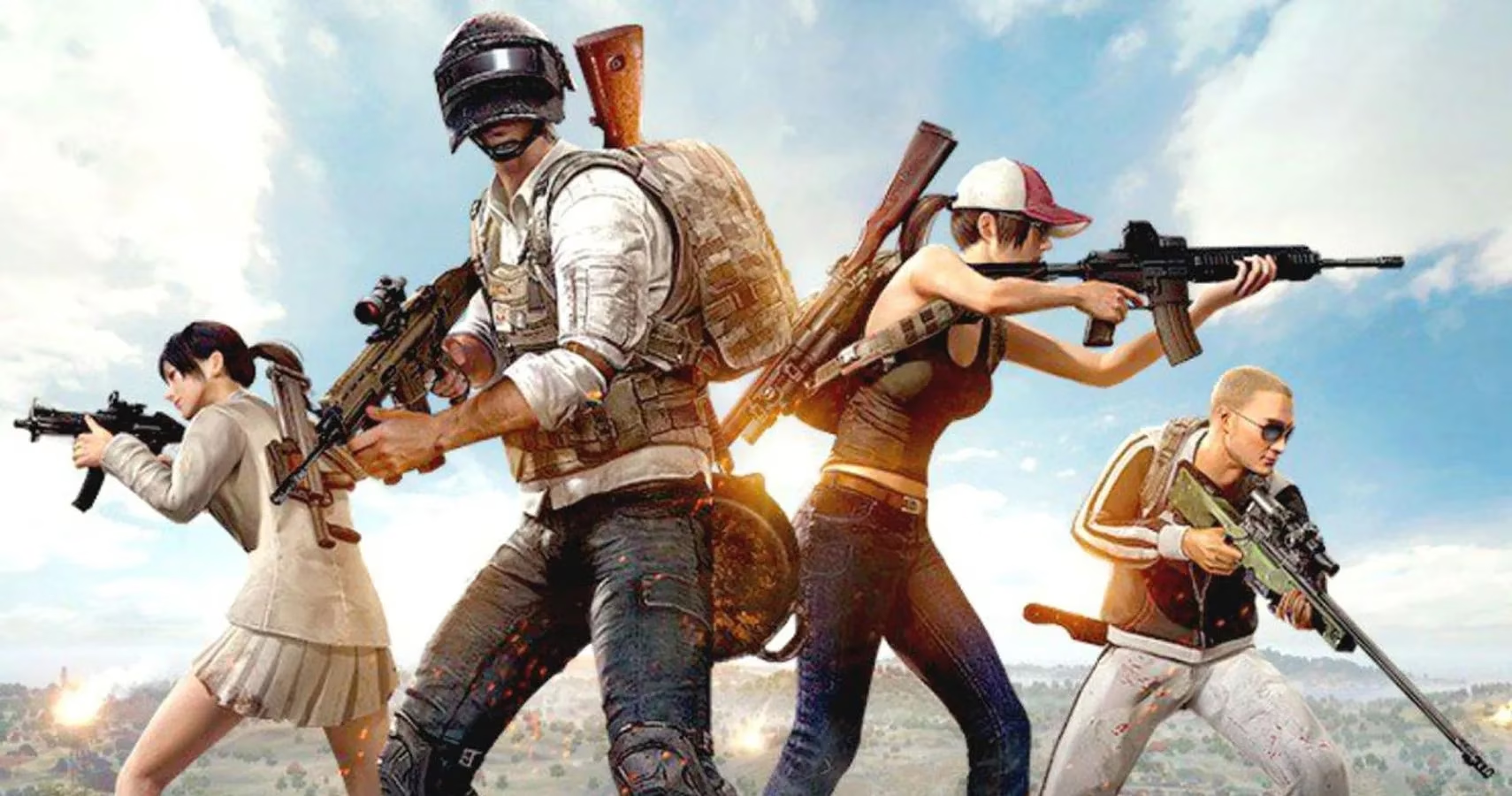
The technical magic behind this unity was a complete overhaul of the game's social systems. Previously, PUBG relied entirely on each console's native friends list, a walled garden that kept PlayStation and Xbox players in separate social spheres. Patch 6.2 introduced PUBG's own dedicated, in-game friends list and party browser. This shift was a game-changer. Now, players could search for, add, and invite friends using a unified system within PUBG itself, bypassing the platform-level restrictions entirely. This method of achieving cross-play parties has become an industry standard, pioneered by titles like Rocket League and Call of Duty: Modern Warfare. As the gaming world has progressed into 2025, this feature is no longer a luxury but a fundamental expectation for any major multiplayer title. The idea that buying a particular console could lock you out of playing with your core friend group is, thankfully, becoming a relic of the past.
Accompanying this social revolution was the explosive arrival of Team Deathmatch mode for console players. This represented a significant shift in PUBG's design philosophy, injecting a dose of fast-paced, arcade-style action into the traditionally methodical battle royale formula. The console version received the full suite of TDM features from the PC update.
-
Map Variety: Seven distinct maps, each crafted from iconic locations within the larger PUBG battlegrounds, offered diverse close-quarters combat environments.
-
Rule Changes: The high-stakes tension of the main mode was replaced with pure run-and-gun chaos. Friendly fire was disabled, and the "Down But Not Out" state was removed. Players simply respawned after being eliminated.
-
Core Identity: Crucially, the mode retained PUBG's signature, weighty weapon handling and ballistics. It felt like Call of Duty's frantic pace fused with PUBG's tactile gunplay, creating a uniquely satisfying hybrid experience.
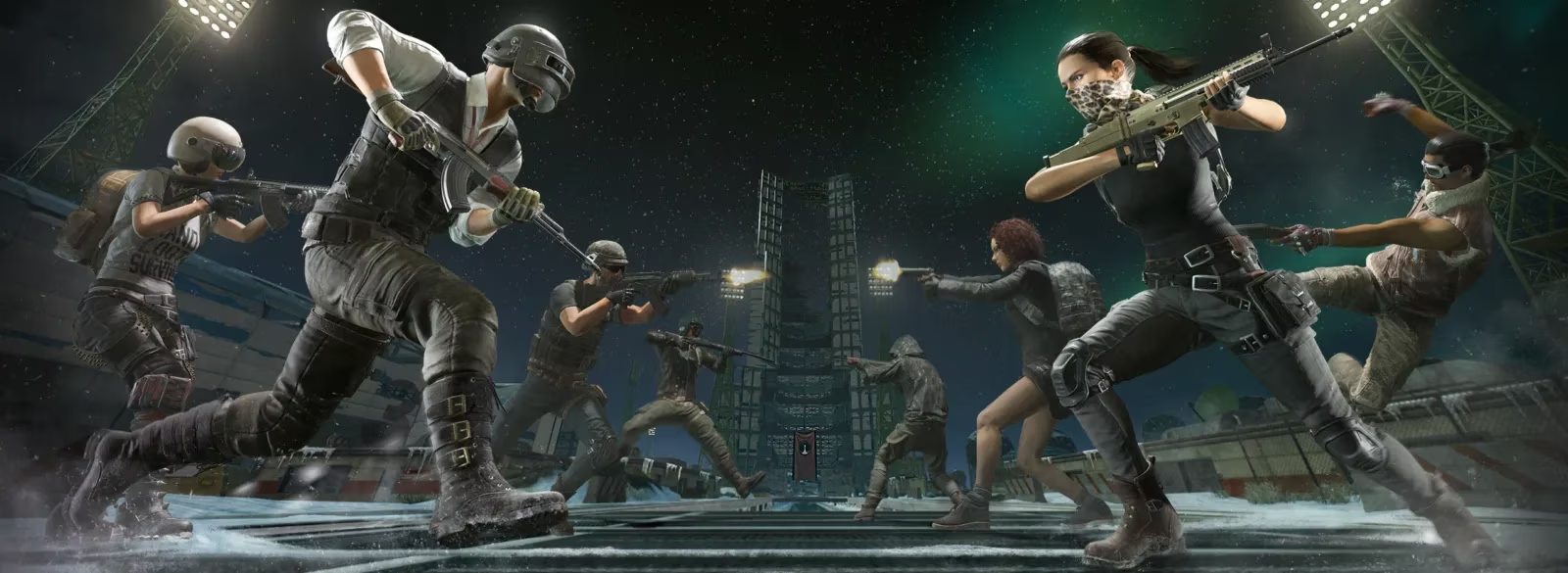
Looking back from 2025, the 6.2 update was more than just a patch; it was a statement of longevity. While Fortnite solidified its position as a cultural phenomenon, PUBG demonstrated a remarkable ability to adapt and retain a massive, dedicated player base. The consistent effort from PUBG Corp to deliver meaningful updates—even as some players migrated to newer titles—showed a commitment to its community. PUBG might not have been the very first battle royale, but its unprecedented success was the catalyst that forced the entire industry to take the genre seriously. It proved there was a colossal audience for this style of gameplay, inspiring countless successors and integrations from major publishers.
The legacy of updates like cross-platform parties and Team Deathmatch is evident today. They laid the groundwork for PUBG's sustained relevance. The game may never reclaim the singular, all-dominating spotlight it once held, but for the millions of fans still invested in its unique brand of tactical combat, these features ensured the world of Erangel and beyond remained vibrant and accessible. The promise of future content and refinement continues to be a driving force for its community. In an era where live service games come and go, PUBG's journey stands as a testament to the power of listening to players and breaking down the artificial walls between them. The dream of playing together, truly together, is now a standard feature, and it all traces back to pivotal updates that prioritized unity over division. 🎮✨