PUBG Esports Drama: Broken Promises, Silent Management & The Frustration of Pro Teams
Dive into the shocking revelations from former PUBG Esports team owners, exposing the dark side of competitive gaming with tales of broken promises and non-existent communication.
Yo gamers, gather around! Let's talk about the not-so-glamorous side of the game we love—the competitive scene. As a pro player myself, I've seen the highs and lows, but hearing stories from the inside? Man, it hits different. Recently, some pretty wild revelations came out from former PUBG Esports team owners, and let me tell you, the picture they paint of dealing with PUBG Corp's esports department is... well, let's just say it's not the chicken dinner experience you'd hope for.
We all know PUBG, right? The game that basically defined modern battle royale. It's on every platform now, from PC to your phone, constantly dropping new maps, weapons, and even letting us fly little planes around. The esports scene blew up with it. But here's the thing: while we're out here sweating in 8v8 deathmatches or exploring the new amusement park on Erangel, what's happening behind the curtain with the teams that make this esports thing possible? According to the guys who were running those teams, it was a mess of broken promises and radio silence.
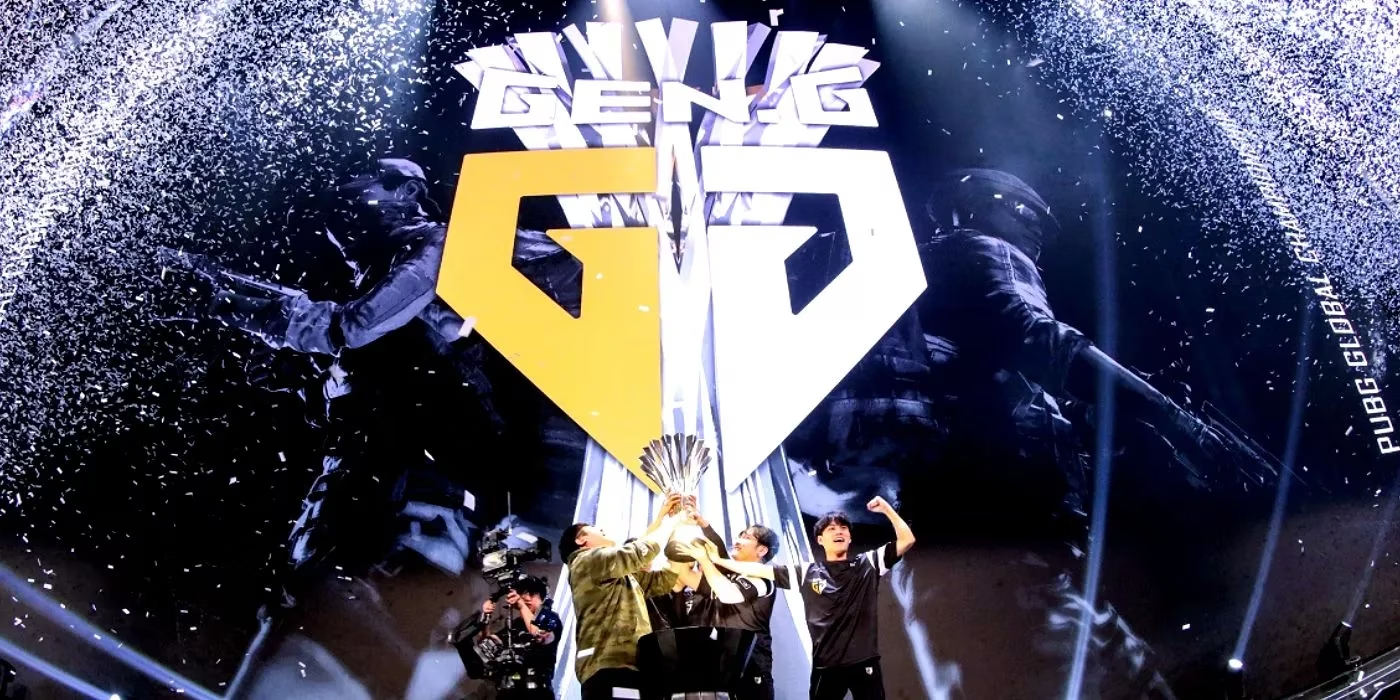
Communication? What Communication?
Imagine running a professional team, investing time and money, and the league organizers just... ghost you. That's not a joke—that's what Shawn Pellerin, co-owner of Spacestation Gaming, said. He called communication with the National PUBG League (NPL) "non-existent." Think about that for a second. The person in charge, Alex Penn, reportedly never replied to emails. Not after one try, not after multiple. How can you build a competitive ecosystem if the teams can't even give feedback? It's like trying to win a match with your comms completely down. You're just running around blind, hoping for the best.
The Great Cosmetic Letdown
Now, here's where it gets spicy. Both Pellerin and Matt Dillon, the CEO of Ghost Gaming, spilled the tea on some major unfulfilled promises. They were apparently promised custom in-game items for their teams. We're talking weapon skins, outfits—the whole shebang that not only looks cool for fans but actually brings in revenue to support the squads. Dillon was expecting at least $50,000 from their share of the sales. That's not chump change! That's player salaries, bootcamp funds, you name it.
But what happened? The timeline kept getting pushed back. First, the items were supposed to drop in Phase 1. Then it was "Oh, wait for Phase 2." Then it got bumped again to the PUBG Global Championship. It's the classic developer delay, but for something that teams were banking on financially. Pellerin's team was told they'd get a "full organization set," including weapons. Spoiler alert: it never happened. The whole project was eventually cancelled. Can you feel the frustration? They were left hanging, with what they described as "minimal" support from PUBG Corp throughout the whole ordeal.
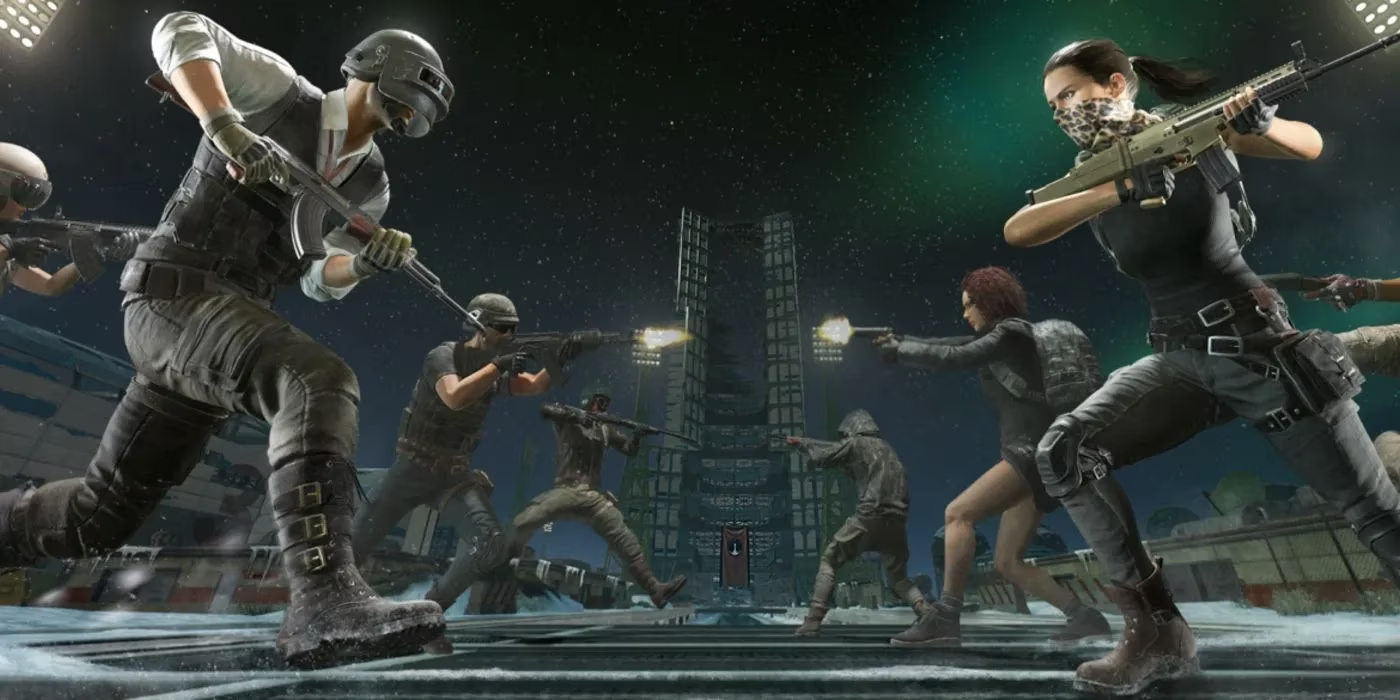
Why Does This Matter to Us?
You might be thinking, "Okay, that's some behind-the-scenes business drama. What's it got to do with me watching the matches?" Everything. A healthy esports scene needs healthy teams. If organizations are getting burned—losing money, getting ignored—they're going to leave. And when big names like Ghost Gaming and Spacestation Gaming walk away, the competitive landscape suffers. Less competition, less investment, and ultimately, a less exciting spectacle for us, the viewers. It's a domino effect.
Look at how huge esports has become in 2025. Games live and die by their competitive integrity and the ecosystem around it. PUBG keeps adding fun new modes (that 8v8 is a blast), but if they're dropping the ball on supporting the very teams that promote their game at the highest level, that's a major red flag. Unforeseen stuff happens, sure (remember when real-world events used to cancel everything?), but the cornerstone of dealing with it is communication. An open, honest line. Without it, you're just building on sand.
The Big Question for 2025 and Beyond
So, where does this leave us? The stories from these owners are from a few years back, but the lessons are timeless. Has PUBG Corp learned its lesson? As we look at the current 2025 PUBG esports circuit, we have to ask: Are teams treated better now? Is the communication clear and consistent? Are promises, especially financial ones tied to in-game items, actually kept?
The alternative is grim. Teams will simply migrate to games where the developer-organization relationship is more professional and respectful. No one wants to see PUBG's competitive scene fade because of avoidable management issues. We, as a community, deserve a thriving esport. The players and organizations dedicating their lives to it deserve respect and partnership.
Let's hope the era of empty promises and silent inboxes is over. The future of PUBG esports depends on it. Until then, keep grinding those matches, but maybe spare a thought for the orgs fighting battles both in-game and in the boardroom. It's tougher than it looks.