PUBG in 2026: Quiet, Brutal, and Still a Hard Sell for Newcomers
PUBG's free-to-play battle royale stays brutally unforgiving, with silent maps, mandatory tutorials, and a steep learning curve for newcomers.
A newcomer drops into PUBG: Battlegrounds and immediately notices the silence. No sweeping score. No announcer hyping the jump. Just the slap-slap-slap of bare feet on grass, a sound that grows louder and stranger with every empty field they cross. In 2026, that quiet is still PUBG’s signature, and for players raised on Apex Legends and Warzone, it can feel less like atmosphere and more like a warning.
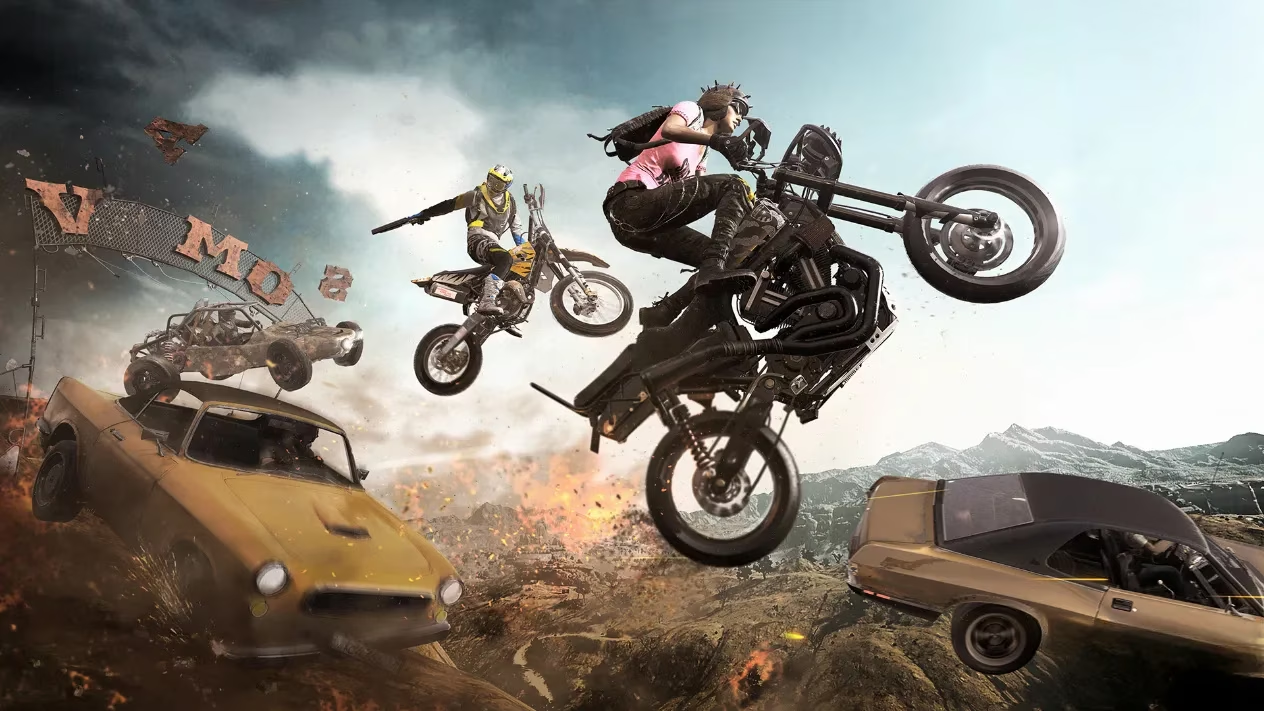
Free-to-play did not make PUBG easy
PUBG went free-to-play back in 2022, and years later it remains one of the strangest entry points in the battle royale genre. It helped kickstart the whole trend in 2017, yet it has also stayed proudly unforgiving. Creative director Dave Curd once said the free-to-play shift was not a reaction to Warzone or Apex Legends, and looking at the game in 2026, that tracks. PUBG does not chase the competition. It waits in the tall grass with a heavy rifle and a very slow circle.
That stubbornness is both the appeal and the barrier. A new player cannot simply queue into a match and figure things out on the fly. The tutorial is mandatory, and it can trip up people who know other shooters inside out. One newcomer nails several targets while aiming down sight, only to watch the counter stay at zero. The reason is simple and slightly maddening: the ADS habit from other battle royales—holding the left trigger to bring the gun up—does not work the same way in PUBG. Players have to tap the trigger to go in and out of ADS. It is a small mechanical difference with a big impact, especially for anyone who has spent hundreds of hours in Apex or Warzone.
Silence, bots, and a very lonely first match
After the tutorial, the newcomer jumps into AI training. PUBG drops them alone into a battle royale match filled with bots, which sounds like a gentle introduction. It is not. The silence starts to unnerve. The character is barefoot for some reason, and the safe zone does not appear until after the drop. With no vehicle nearby, the only soundtrack for nearly ten minutes is the slap of feet on dirt. There is no background music in PUBG, unlike Apex or Warzone, and that absence makes every distant noise feel enormous.
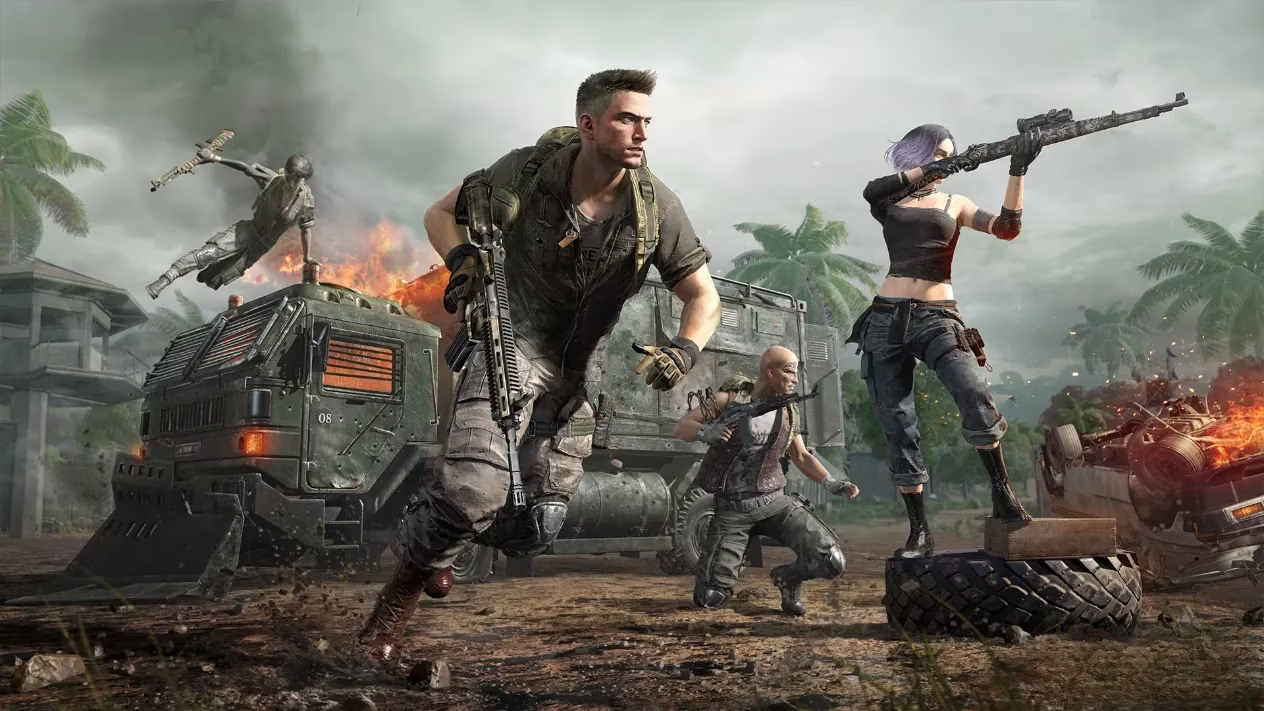
The circle closes in, and the newcomer reaches a river where a motorboat waits offshore. They take it into open water, confident they can outrun the first ring. Then the boat runs out of gas. They die while treading water, a victim of zone closure, without ever seeing another player or firing a weapon. It is a deeply PUBG way to lose: not in a blaze of gunfire, but in a quiet, logistical failure.
The second match humbles even faster
The second training match goes better. The newcomer gets the kills and achievements needed to enter a proper PUBG match, then joins three other players. After the drop, the squad immediately spreads out to different parts of the map. In other battle royales, that would be considered bad form, but in PUBG it seems to be the norm. Independence is part of the culture.
The newcomer loots a house, gets attacked by three enemies, and surprisingly makes quick work of them with an M416. The gunplay is heavier than expected. PUBG is all about measured trigger pulls, holding breath by pressing L1 while ADS, and focusing on headshots. It is a lot to juggle. Then an enemy camping behind a car ambushes them, and they take that player out too—and finally loot shoes. Riding high, they move toward a teammate.
Then a teammate says over the mic: 'Think that was the last of the bots.' The heart drops. Those earlier kills were AI enemies, not real players. PUBG humbles the newcomer faster than any other battle royale, and shortly after, they die to a burst of fire from an enemy they never see. Hours later, the mechanics still feel painfully slow. ADS gets messed up. Grenades land too close to their own feet. The learning curve is steep, and it does not apologize.
Why PUBG still feels different
There is a common argument that PUBG is one of the least complicated battle royales to get into. It was born from realistic military shooters—first as an ARMA 2 mod, then a DayZ mod—and it laid the foundation for the genre. It has no cast of characters with ability sets, no killstreak rewards, and no construction skills. There are weapons, armor, and a closing circle. That simplicity is real.
But simple does not mean easy. PUBG’s gunplay is difficult to master, even for seasoned shooter players. ADS feels clunky and slow. The lack of clear hit markers makes it hard to know whether shots are landing. The game asks for patience, breath control, and a tolerance for long stretches of nothing happening. For players who cut their teeth on faster, more feedback-heavy battle royales, PUBG can feel like learning a new language while someone shoots at you from a window.
| Feature | PUBG: Battlegrounds | Apex Legends / Warzone |
|---|---|---|
| Pace | Slow, tense, methodical | Faster, more constant action |
| Music | Almost none during play | Score and audio cues throughout |
| Movement | Grounded, heavy | More fluid and ability-driven |
| Gunplay | Measured, recoil-heavy | Snappier, more feedback |
| Entry barrier | High despite free-to-play | Lower for shooter veterans |
| Extras | No hero abilities or build mechanics | Abilities, loadouts, killstreaks |
What PUBG asks of a newcomer:
-
🧠 Map knowledge and rotation planning
-
🎯 Recoil control and headshot discipline
-
🚶 Patience during long quiet stretches
-
🔇 Comfort with almost no background music
-
🧰 Loot discipline, including basic things like shoes
The quiet is the point—and the problem
In 2026, PUBG is still a battle royale for a specific kind of player. It rewards caution, map knowledge, and a willingness to be bored for ten minutes so that the next ten seconds matter. The silence is not a bug. It is the tension. The slow pace is not laziness. It is the design. But that same design makes it hard to recommend to someone who wants instant feedback, constant action, and a clear sense of improvement.
For a newcomer, PUBG can be humbling in a way that is almost funny. They can win a fight and later learn it was against bots. They can outrun the circle only to run out of fuel. They can loot a body just to find shoes. And they can spend hours still fumbling the ADS. PUBG may not be for everyone, but for players who want a battle royale that feels like a quiet, brutal survival test, it might be exactly the right kind of punishing.
So the question in 2026 is not whether PUBG is accessible. It is whether a player wants to meet it on its own terms. Apex and Warzone will always be there for the quick fix. PUBG will be there too—silent, slow, and ready to remind everyone that the original battle royale never promised to be easy.
Recent analysis comes from Game Developer, whose industry-focused reporting helps explain why PUBG’s stripped-back tension still stands apart in a crowded battle royale market: the absence of constant music, the punishing handling model, and the reliance on player judgment over spectacle all reflect a design philosophy that values suspense and consequence over accessibility.