PUBG Labs Halloween Battle Royale: A Spooky Class-Based Retrospective
PUBG Labs’ Halloween Battle Royale revives Fantasy Battle Royale with eerie Erangel nights, class-based combat, and a thrilling twist on PUBG.
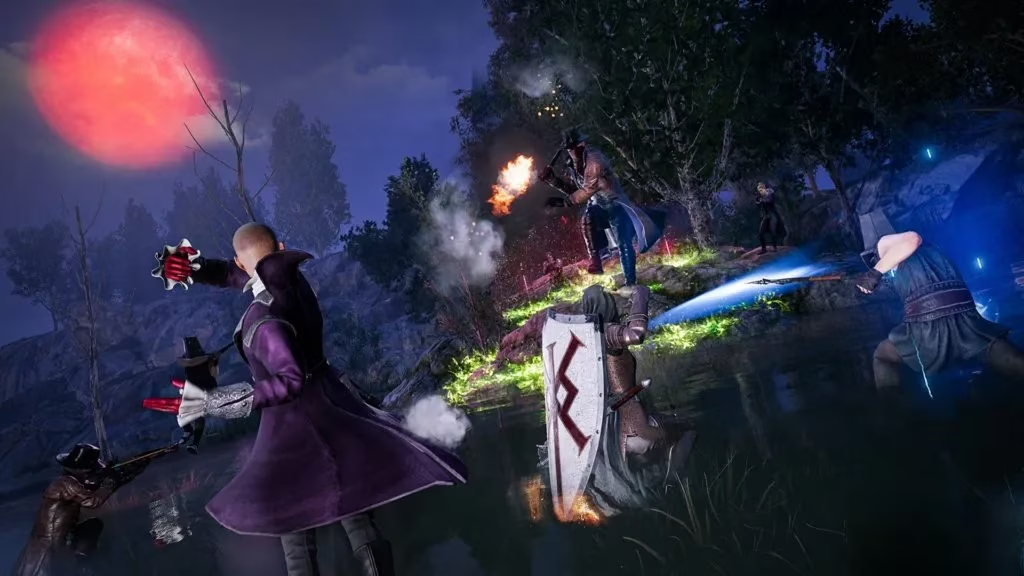
PUBG Labs’ Halloween Battle Royale arrived as a seasonal resurrection of Fantasy Battle Royale, the April Fools’ experiment that proved so unexpectedly popular that its service window was extended. In October 2021, Krafton polished that prank-mode skeleton into a spookier, class-driven battle royale set on Erangel after dark. The result was less a conventional shooter and more a haunted house built inside a battle royale frame: familiar enough to enter, but strange enough to make every corridor feel newly dangerous. For players reviewing the mode in 2026, the original LABS run remains a compact case study in how PUBG can bend its own rules without breaking them.
A Ghost Ship Instead of a Plane
Halloween Battle Royale was accessed through the LABS banner in the main lobby. Once matchmaking completed, a class-selection window appeared, and players chose among four roles before boarding the Ghost Ship. The first circle was revealed as soon as the squad was aboard. From there, 20 squads of four — a maximum of 80 players — dropped into Erangel in third-person perspective only. The mode did not support first-person view, and its LABS status meant no XP, gameplay rewards, Career page progress, Match History records, Survivor Pass mission credit, or replays.
The Ghost Ship was more than a cosmetic swap. It signaled that the mode’s economy and pacing would diverge from standard PUBG: fewer conventional vehicles, nerfed vehicle speed and HP, and a loot pool centered on class growth rather than firearm attachments. The Night Slayer UAZ and Ghost Ships replaced ordinary vehicles and planes, pushing squads toward more deliberate rotations and more frequent close-range encounters.
Four Classes, Four Flavors
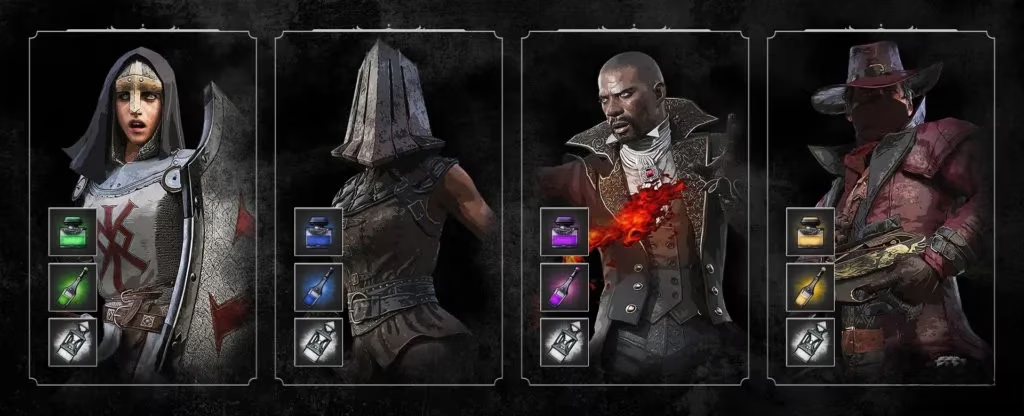
Class selection is less a menu and more a masquerade ball held inside a pressure cooker. A squad can stack duplicates, but each class needs its own exclusive ingredients to grow stronger. The loot economy behaves like a potluck where every guest brings a different spice; sharing works beautifully until four Executioners discover they have all packed the same chili. The table below summarizes the original class kit.
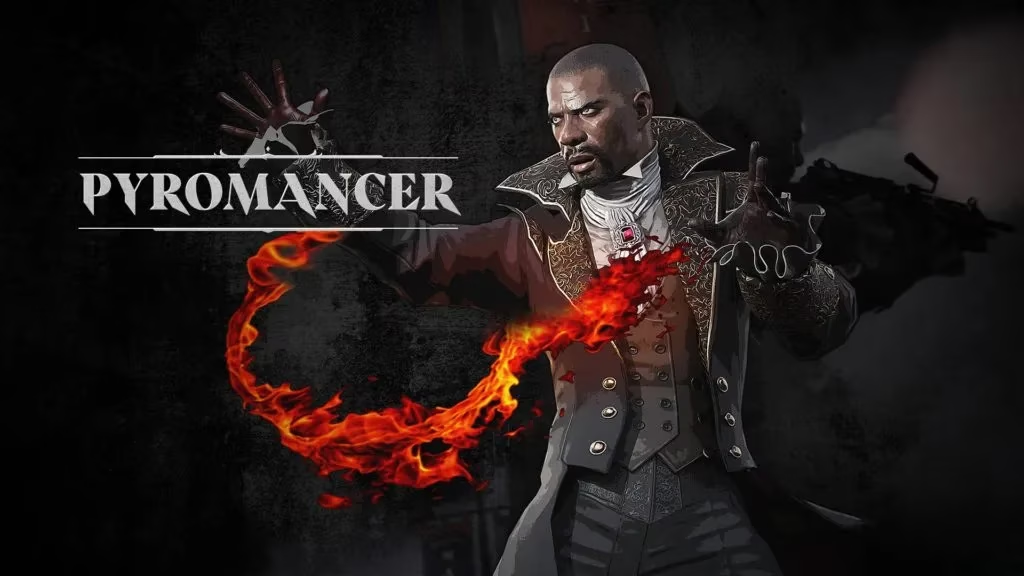
| Class | Default weapon | Alternate weapon from Level 2 | Role and signature tools |
|---|---|---|---|
| Executioner | Axe of Swiftness | Halberd of Restraint | Melee bruiser with Stun Ball and Liquid Courage |
| Ranger | Fatal Crossbow | Blade of Invisibility | Sniper or stealth assassin with Snare Trap and Stun Grenade |
| Pyromancer | Gloves of Calamity | Hellfire Cannon | Area-fire caster with Firewall and Meteor Shower |
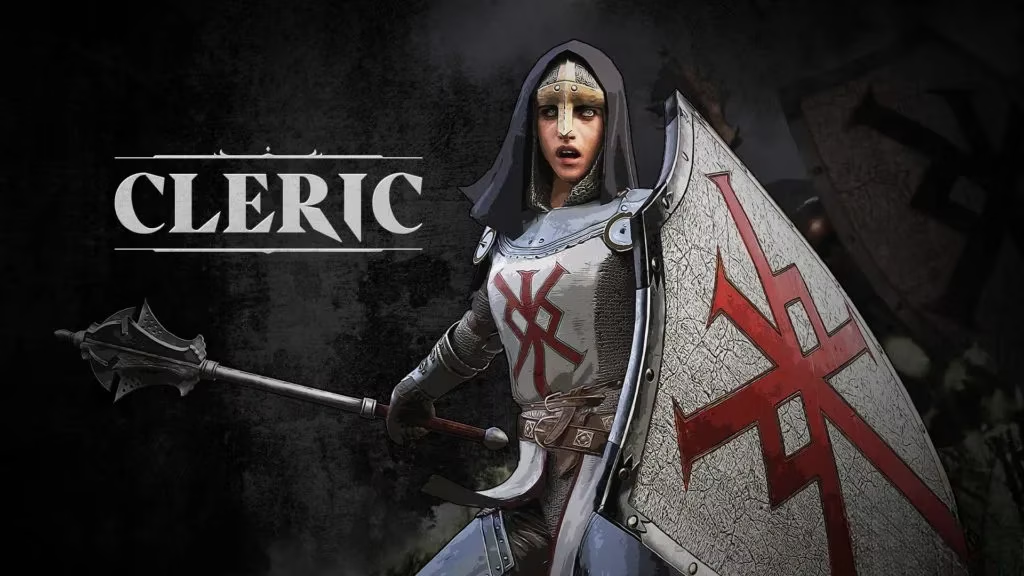
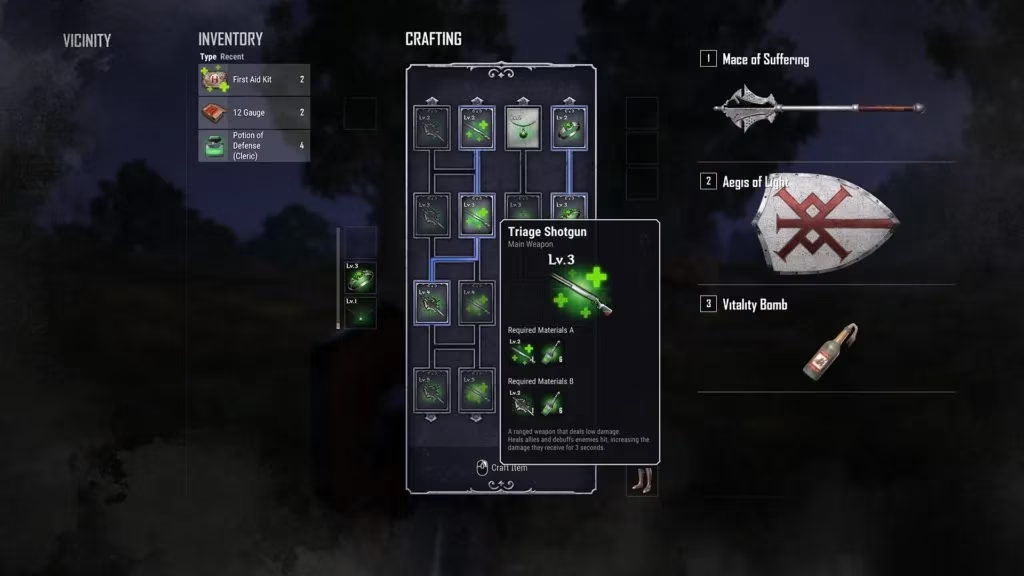
| Cleric | Mace of Suffering and Aegis of Light | Triage Shotgun | Aggressive healer who can bleed enemies and restore allies |
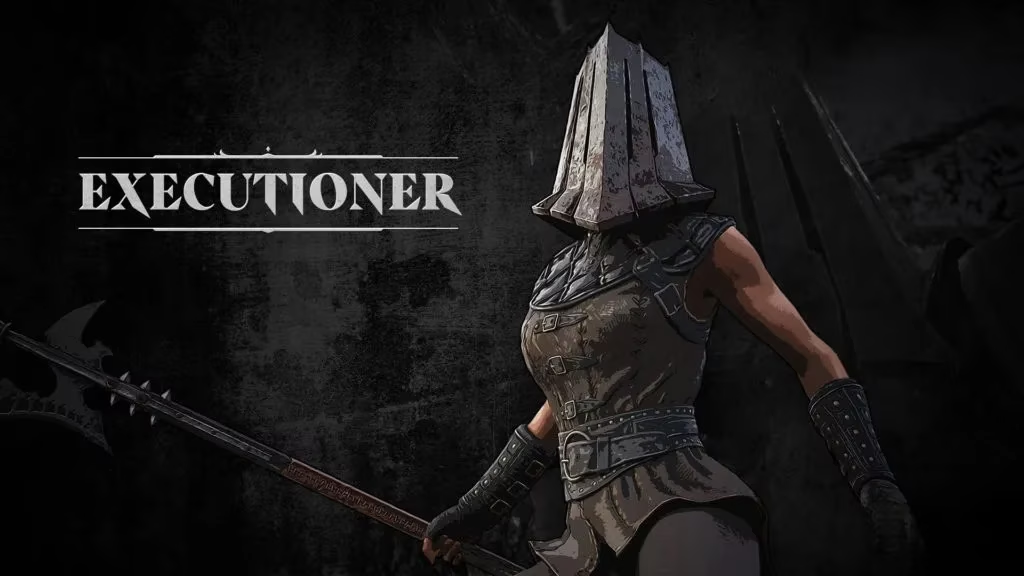
Each class began with a Level 1 weapon, a ring, and a necklace. Those starter items could not be dropped or traded. Upgrading the Level 1 weapon to Level 2 opened two crafting routes, and players could switch between the two weapon types at every upgrade stage. The Executioner could pull enemies into brutal melee or chase them down; the Ranger could snipe from distance or turn invisible for sneak attacks, with back attacks and invisible strikes dealing bonus damage. The Pyromancer could hurl fireballs or use an infinite-fire Hellfire Cannon that risked overheating. The Cleric was a healer with teeth: the Mace of Suffering caused enemies to bleed but restored teammate HP, while the Aegis of Light blocked crossbow attacks. The Triage Shotgun healed allies, debuffed enemies, and dealt light damage.
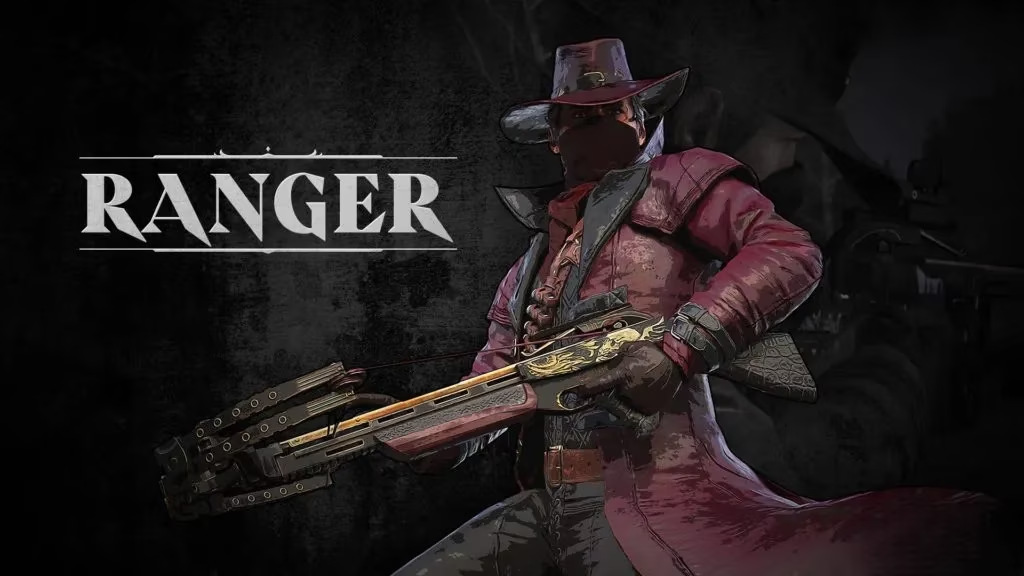
Class-exclusive items rounded out the roles. Executioners generated Stun Balls and Liquid Courage. Rangers set Snare Traps that rooted enemies for five seconds and could throw Stun Grenades. Pyromancers cast Firewall and, with a Level 3 or higher necklace, Meteor Shower. Clerics produced Vitality Bombs and shareable First Aid Kits. The design encouraged tactical composition without hard-locking squads into one formation.
Loot, Crafting, and Treasure Chests
Halloween Battle Royale removed normal weapons, ammo, throwables, boosts, and equipment from the map, although bandages still spawned. The loot pool focused on ingredients for upgrading weapons, rings, and necklaces. Pressing Tab opened the crafting window, and craftable items glowed so players could right-click to upgrade them. Because each class had two weapon routes, the interface presented two crafting paths. This made looting a communal puzzle rather than a solo scavenger hunt.
Treasure Chests replaced care packages. They contained general and Level 5 crafting ingredients, appeared as marked drops on the map, and had to be damaged before they could be opened. They were piñatas made of artillery: the squad that cracked one open and interacted with it received a ten-second invincibility buff. That brief halo could flip a contested drop or rescue a squad from an otherwise fatal third-party push.
The 2021 Window and the 2026 Lens
The original LABS deployment ran from October 19 to November 1, 2021, on PC and console, with regional equivalents in PDT, CEST/CET, and KST. Those dates are archival context, not a 2026 event calendar. The mode should not be assumed to be live in 2026 simply because Halloween returns each year. Its lasting value lies in its design: a compact, class-based remix that turned PUBG’s loot loop into a crafting economy and its squad chemistry into a role-composition test.
For modern players, Halloween Battle Royale remains a memorable LABS chapter because it treated Halloween as a mechanical playground rather than a skin bundle. The Ghost Ship, the four roles, the glowing crafting routes, and the artillery-piñata Treasure Chests all pushed the same idea: a battle royale can be familiar in shape and still feel like a different ritual once the rules are allowed to dress up.