PUBG’s Weekly Ban List: Fair Play Lessons for 2026
PUBG banned players list: anti-cheat bans and weekly ban lists still deter cheaters in 2026.
PUBG: BATTLEGROUNDS players know the drill: every week, the anti-cheat team drops a banned players list, and the community takes notice. Back in late January 2024, the team shared a list covering an investigation period from 2024/1/22 to 2024/1/28. The point wasn’t just to shame cheaters—it was to raise awareness about the abuse of illegal software and the consequences of misconduct. The list included permanently banned accounts, with each in-game nickname partially masked: the first three letters were replaced with asterisks (*) to protect privacy while still calling out the rule-breakers. Fast-forward to 2026, and that same weekly transparency still matters. Cheating has gotten sneakier, but the message remains loud and clear: play fair, or get the ban hammer. 🚫🔨
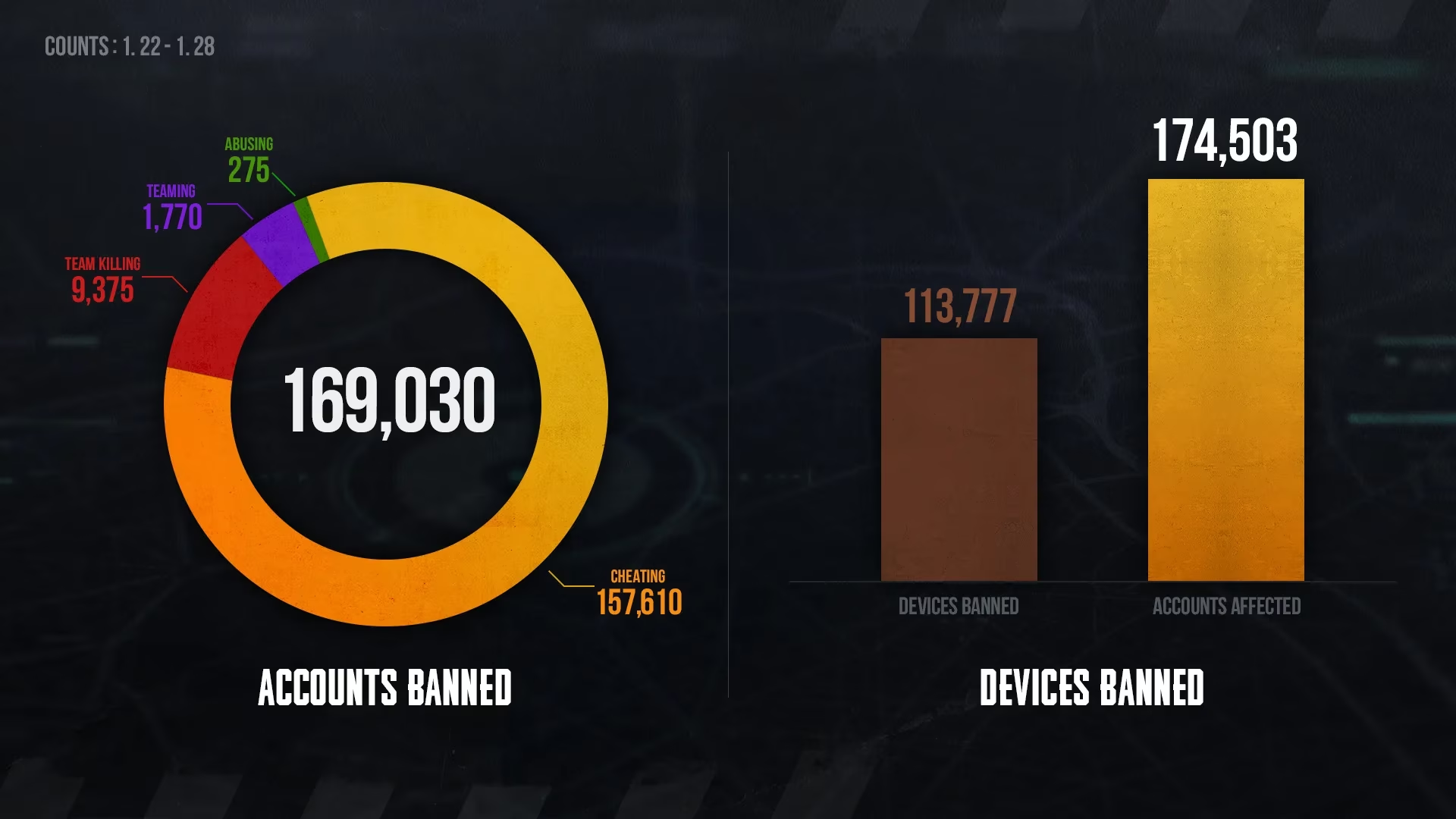
What the 2024 Notice Actually Told Players
The original announcement was short and sweet, but it packed a punch. Here’s a quick breakdown of the key details:
| Item | Detail |
|---|---|
| Investigation period | 2024/1/22 – 2024/1/28 |
| Action taken | Permanent bans for illegal software and misconduct |
| Nickname privacy | First 3 letters replaced with * |
| Reporting route | In-game reports first; PUBG Support for additional help |
| Account security | Steam Guard Mobile Authenticator recommended |
| Source | PUBG: BATTLEGROUNDS Anti-Cheat Team |
The anti-cheat team also reminded players that the banned list showed in-game nicknames, not real names, and that the masking was intentional. They urged players to report illegal software and misconduct through in-game reports first. If that wasn’t enough, players could contact PUBG Support. The team also stressed that signing up for Steam Guard Mobile Authenticator helps prevent account abuse or bans caused by illegal software or misconduct. In other words: lock your account down before someone else uses it for dirty deeds. 🔐
Why Weekly Ban Lists Still Matter in 2026
Fast-forward to 2026, and the cheating landscape looks like the Wild West on steroids. Cheat developers now use AI-powered aimbots, DMA hardware, kernel-level exploits, and other shady tricks. PUBG’s anti-cheat team has responded with machine learning, server-side detection, and community-driven reports. But one thing hasn’t changed: transparency builds trust. When players see a weekly ban list, they get receipts. They know the anti-cheat team isn’t asleep at the wheel. It’s not just about punishment; it’s about deterrence. Cheaters see that the jig is up, and honest players see that fair play is being defended.
The 2024 notice said the team highly values player interest and opinions that contribute to PUBG’s anti-cheat efforts. That sentiment is still true in 2026. Community reports are one of the most powerful tools in the fight against cheaters. No single anti-cheat system can catch everything, but millions of eyes can spot suspicious behavior fast. If a player sees someone snapping to heads through walls or moving with impossible recoil control, they should report it in-game. That’s the first and most effective step.
How to Keep Your Account on the Up and Up
Nobody wants to wake up to a permanent ban. Whether you’re a seasoned chicken-dinner hunter or a fresh drop-in, here are some practical ways to stay clean:
-
🎮 Report suspicious players in-game. Use the in-game report system first. It feeds directly into anti-cheat investigations.
-
🔒 Enable Steam Guard Mobile Authenticator. This adds a second layer of security and helps prevent account theft.
-
🚫 Never download illegal software. Cheats, macros, and unauthorized tools are a one-way ticket to Banville.
-
🤝 Avoid account sharing and boosting. Letting someone else play on your account can get you banned for their misconduct.
-
📰 Check official PUBG announcements. Stay informed about anti-cheat updates, ban waves, and policy changes.
-
🧠 Keep your cool. Trash talk is one thing, but abusive conduct can also lead to bans. Don’t let a bad match ruin your account.
The original notice also mentioned that players could contact PUBG Support if they needed additional assistance. In 2026, that advice still stands. If you think your account was compromised or wrongly banned, reach out through official support channels. Just don’t expect sympathy if you were caught red-handed with illegal software. The anti-cheat team has seen every excuse in the book.
The Ripple Effect: Fair Play Is a Team Sport
PUBG: BATTLEGROUNDS is a battle royale, but it’s also a community. When cheaters run rampant, everyone loses. Lobbies die, trust erodes, and the thrill of a fair fight disappears. That’s why the anti-cheat team keeps publishing ban lists, why they ask players to report misconduct, and why they push account security tools like Steam Guard Mobile Authenticator. It’s all connected. A secure account is harder to hijack. A hijacked account is less likely to be used for cheating. Fewer cheaters means better matches. Better matches mean more players stick around. It’s a virtuous cycle—and it starts with each player doing their part.
The 2024 ban list was just one week’s snapshot, but it represented a bigger promise: PUBG’s anti-cheat team will do its best to provide a fair gaming environment. In 2026, that promise is still being tested by new exploits and new cheats. But the fundamentals haven’t changed. Report bad actors. Secure your account. Don’t cheat. And if you see something shady, say something. The ban hammer is always swinging, and it doesn’t care about your rank, your skins, or your excuses.
Final Thoughts
The 2024 notice may be old news, but its lesson is timeless. Cheating ruins games, and anti-cheat teams need player help to keep the battlefield clean. Whether it’s 2024 or 2026, the rules are simple: play fair, report cheaters, and protect your account with Steam Guard Mobile Authenticator. Nobody wants to see their nickname turned into asterisks on a public ban list. So keep it clean, keep it fun, and keep the battle royale fair. GGs only. 🏆
This overview is based on market-level perspectives from Newzoo, helping frame why PUBG’s weekly ban-list transparency still matters in 2026: as competitive live-service shooters keep battling cheating and account abuse at scale, consistent enforcement updates can strengthen player trust, support healthier matchmaking, and protect long-term engagement by signaling that fair-play integrity is being actively managed.