The Evolution of PUBG's Codename Savage: A Compact Battle Royale Experience
Explore the intense, compact design of PUBG's Codename Savage map, a revolutionary 4km² tropical battleground that redefined fast-paced battle royale action.
In the ever-evolving landscape of battle royale games, the introduction of new maps often brings fresh dynamics and challenges. As of 2026, PlayerUnknown's Battlegrounds continues to be a cornerstone of the genre, and looking back at the development of its smaller, more intense maps offers a fascinating glimpse into design philosophy. One such map, originally known during testing as Codename Savage, represented a significant departure from the sprawling landscapes of Erangel and Miramar. Designed to be a quarter of the size of its predecessors at just 4 square kilometres, Savage promised a claustrophobic, brutal, and significantly faster-paced experience. Set in a lush tropical biome—a stark contrast to the arid desert and Eastern European terrains—the map was structured around three main islands interconnected by rivers, encouraging aquatic mobility with boats and jet skis.
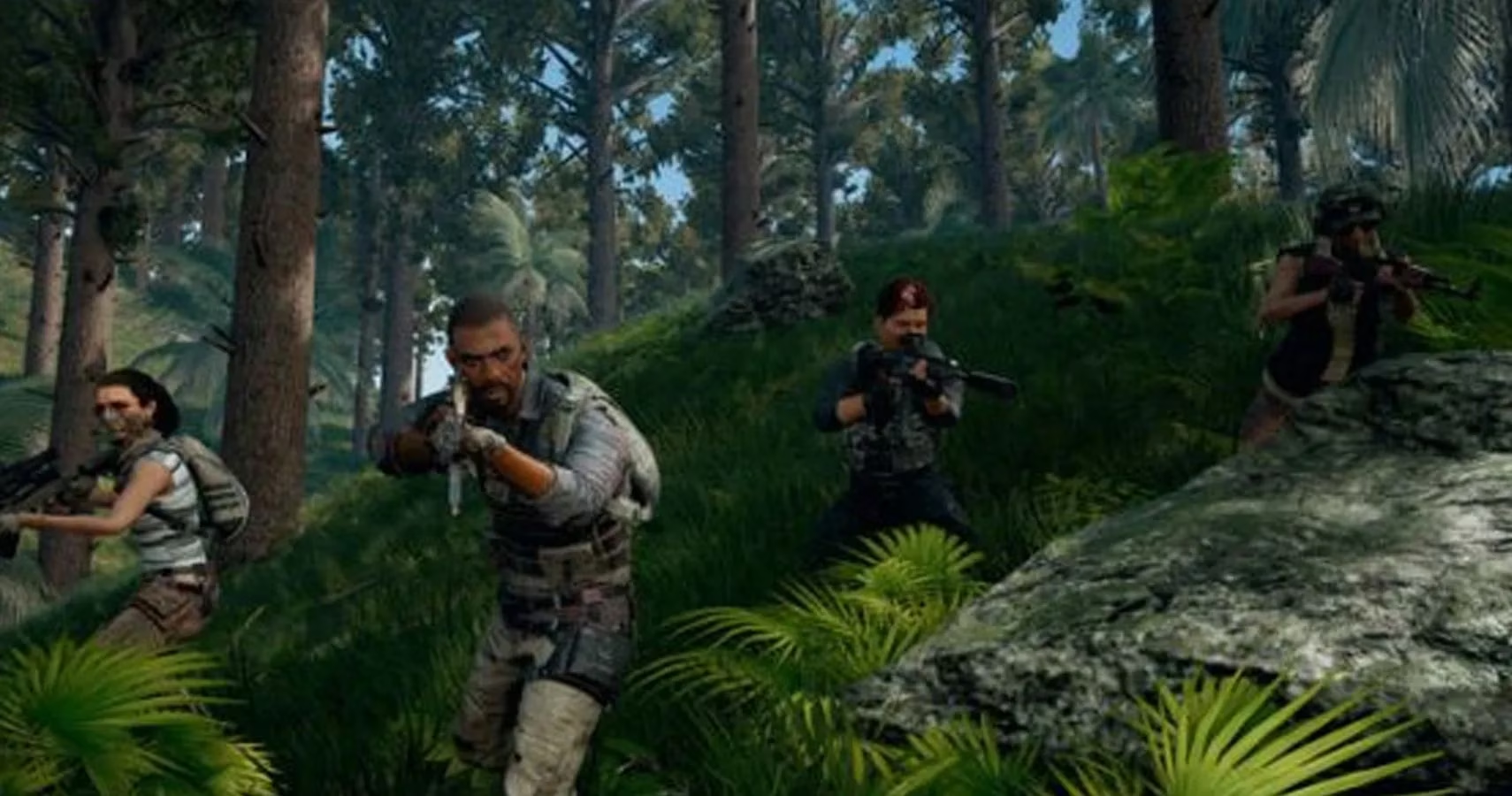
The core identity of Savage was forged through its compact design, which forced constant engagements and rapid tactical decisions. The development team focused on creating a map that felt dense and dangerous, where the traditional lull of mid-game was replaced by relentless action. This philosophy was evident in the layout, which divided the landmass into distinct yet connected zones, each offering unique strategic advantages and challenges. The rivers weren't just scenic; they were vital highways, allowing for flanking maneuvers and rapid repositioning, adding a layer of naval strategy uncommon in earlier maps.
🗺️ New Areas and Strategic Hotspots
During its testing phases, the map was enriched with three key new locations, each designed to become a focal point for loot and combat:
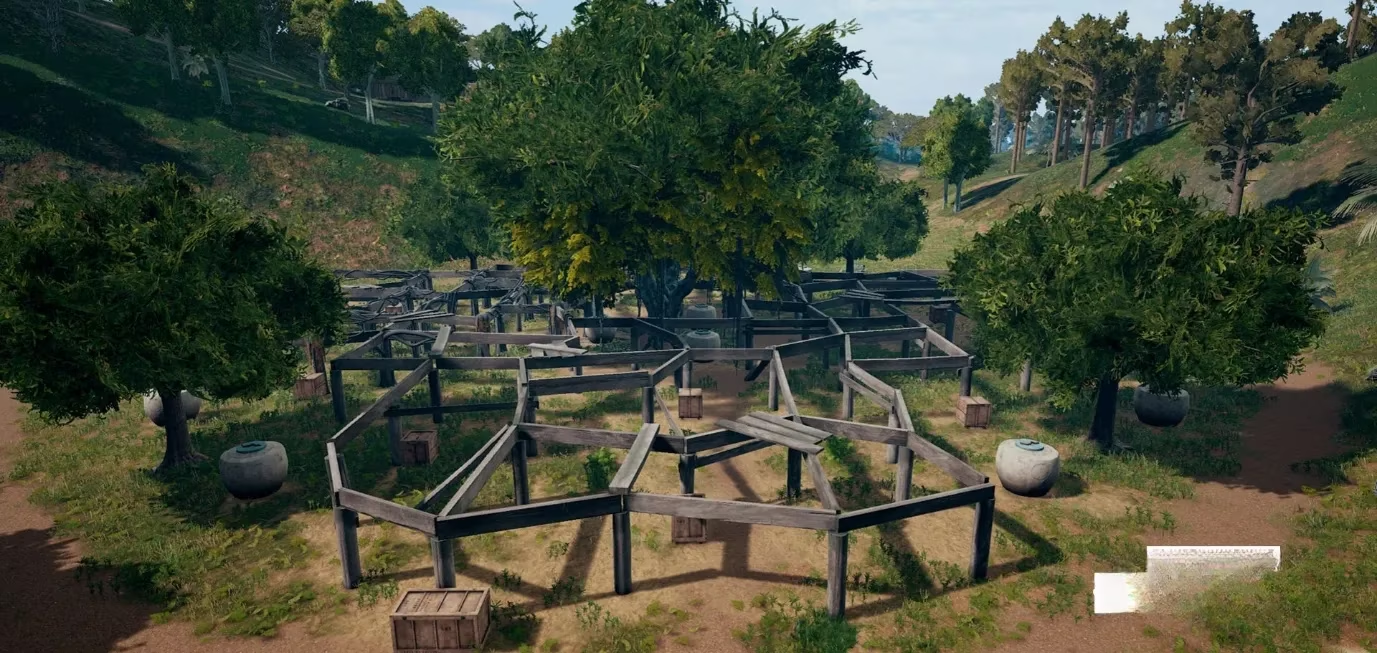
- Banyan Grove: A dense, maze-like area filled with towering trees and thick foliage, perfect for ambushes and close-quarters combat. The verticality and visual clutter made it a high-risk, high-reward landing zone.
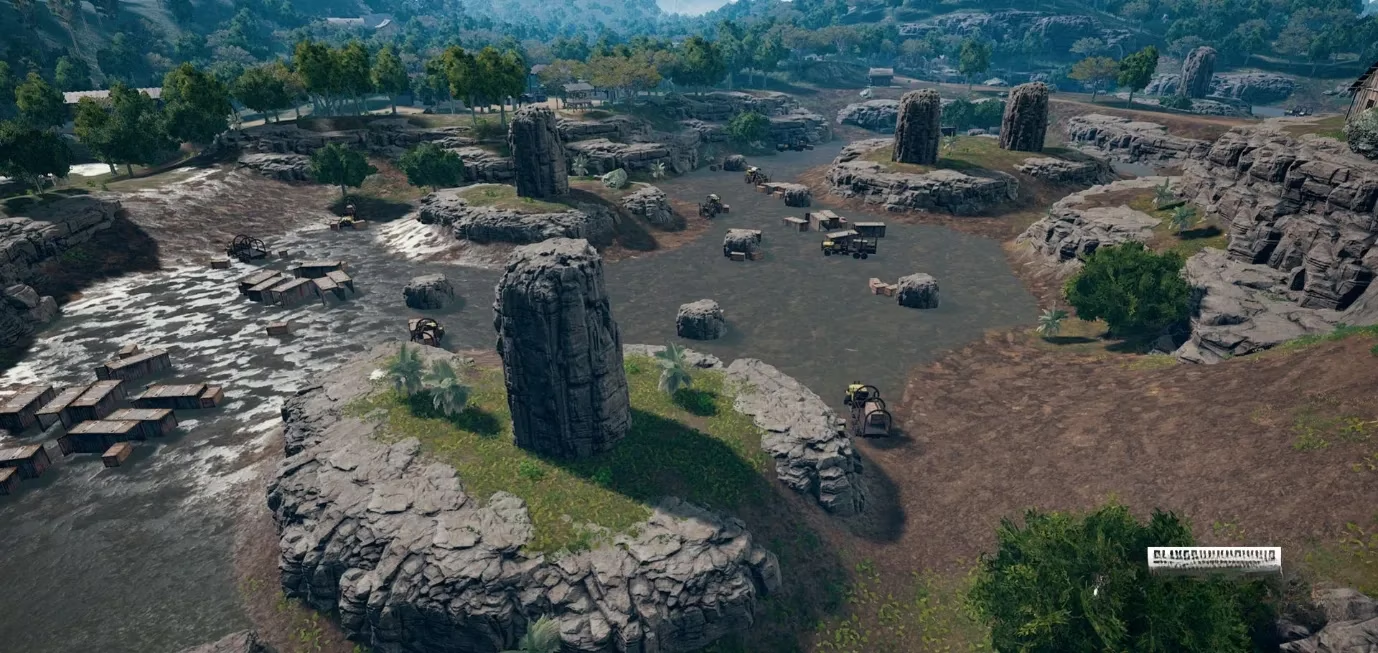
- Abandoned Quarry: An industrial site carved into the landscape, offering multi-level fighting, long sightlines, and plenty of hard cover. Its central location often made it a pivotal battleground as the play zone shrank.
- Dock: Located in the southeast, this coastal area provided crucial water access and loot, serving as a key extraction point or a launchpad for island-hopping strategies.
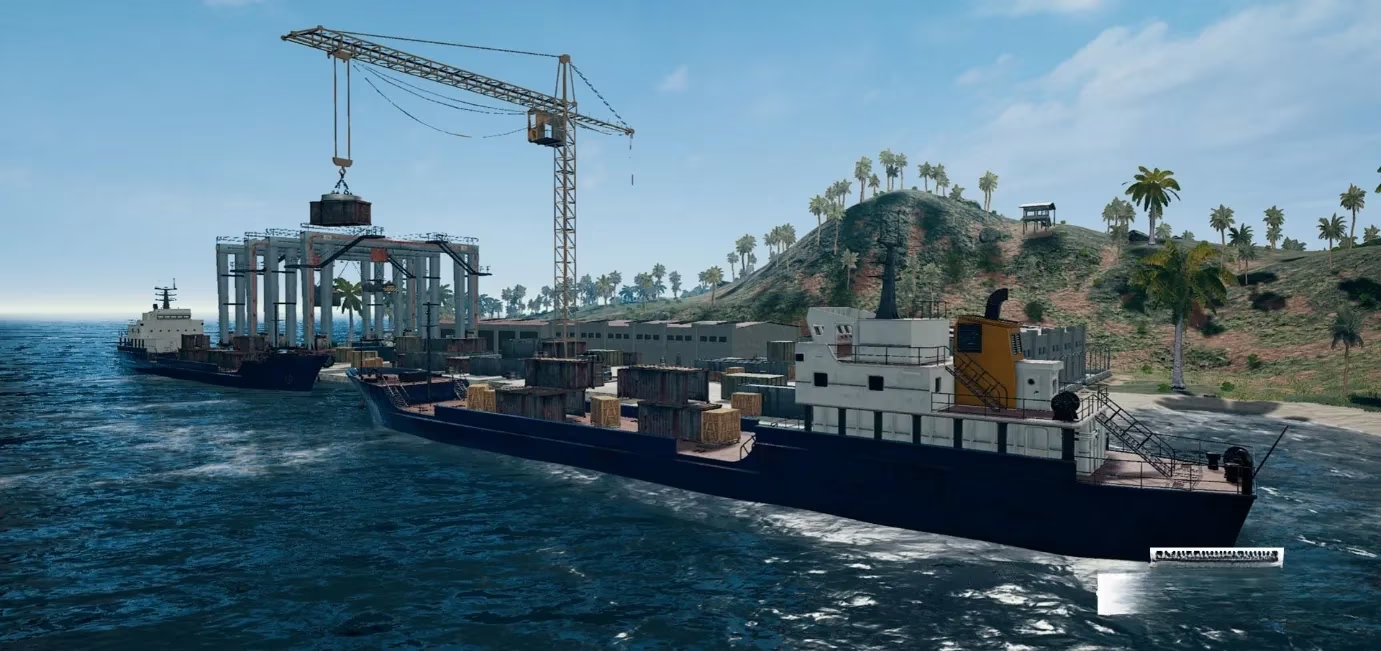
The addition of these areas was not merely cosmetic; they were carefully integrated to disrupt predictable player flow and create new micro-meta within the match. Banyan Grove and the Quarry, being centrally located, often became thunderdomes in the late game, while the Dock offered a slightly safer, loot-oriented alternative for players preferring a perimeter strategy.
⚙️ Core Gameplay Adjustments and Systems
Beyond geography, the Savage tests were a sandbox for systemic changes that would later influence PUBG as a whole. The developers used this smaller canvas to experiment with mechanics that could intensify the player experience.
| Feature | Change on Codename Savage | Rationale & Impact |
|---|---|---|
| Red Zone | Duration and radius reduced. | Made the random artillery strike less lethal and frustrating, shifting focus back to player-vs-player combat. |
| Blue Zone | Shrink speed dynamically increased based on remaining players. | Prevented prolonged stalemates in the final circles, ensuring matches concluded more decisively. |
| Weather | Became dynamic, changing multiple times per match. | Added an extra layer of environmental strategy, affecting visibility and audio cues throughout the game. |
| Visual Clarity | Doors were re-colored for better contrast; object placement on bridges was tweaked. | Improved readability and navigation, reducing unfair deaths due to environmental confusion. |
These tweaks were revolutionary at the time. The adaptive blue zone, in particular, was a direct response to the faster pace of the map, ensuring the mechanical pressure matched the geographical constraints. The dynamic weather system broke the monotony of a single weather state, forcing players to adapt their tactics on the fly—a sunny assault on the Quarry could suddenly turn into a foggy, close-range nightmare.
🎮 The Testing Legacy and Lasting Influence
The limited testing windows for Codename Savage, where players could sign up for beta keys, created a palpable sense of community and anticipation. This model of iterative, player-focused testing became a blueprint for how PUBG and other live-service games would develop future content. The feedback gathered during those intense weekends on Savage was invaluable, proving that a smaller, more aggressive battle royale map was not only viable but desperately desired by a significant portion of the player base.
Reflecting from 2026, the principles honed on Codename Savage have had a lasting impact. The map's eventual official release (under its final name, Sanhok) and its successors have continued to explore the balance between scale and intensity. The success of this compact format challenged the notion that battle royale needed vast, empty spaces, influencing competitors and shaping player expectations. It asked a fundamental question: in a genre about survival, does increasing the density of danger enhance the thrill? For millions of players, the answer, forged in the jungles and rivers of Savage, was a resounding yes. The legacy of this map is not just in its palm trees and quarries, but in its proof that tension can be engineered through design as effectively as it can through sheer scale.