The Unexpected Arrival: Joker and Harley Quinn's Surprise Invasion of PUBG in 2026
The shocking arrival of Joker and Harley Quinn skins in PUBG Mobile delivers an unexpected DC Universe crossover, transforming the tactical battle royale into a chaotic supervillain playground. This stunning collaboration defies genre expectations, creating a visually spectacular and wildly disruptive event.
In the ever-evolving landscape of online gaming, some announcements still manage to catch everyone by surprise. No one anticipated the arrival of Gotham City's most notorious lovers in the gritty battle royale arenas of PUBG. Yet there they were, The Joker and Harley Quinn, trading jokes and chaos for bullets and chicken dinners in a collaboration that left the community both bewildered and intrigued. Eight years after their cinematic debut in the financially successful but critically mixed Suicide Squad, these DC supervillains found a new playground in one of the world's most popular survival shooters.
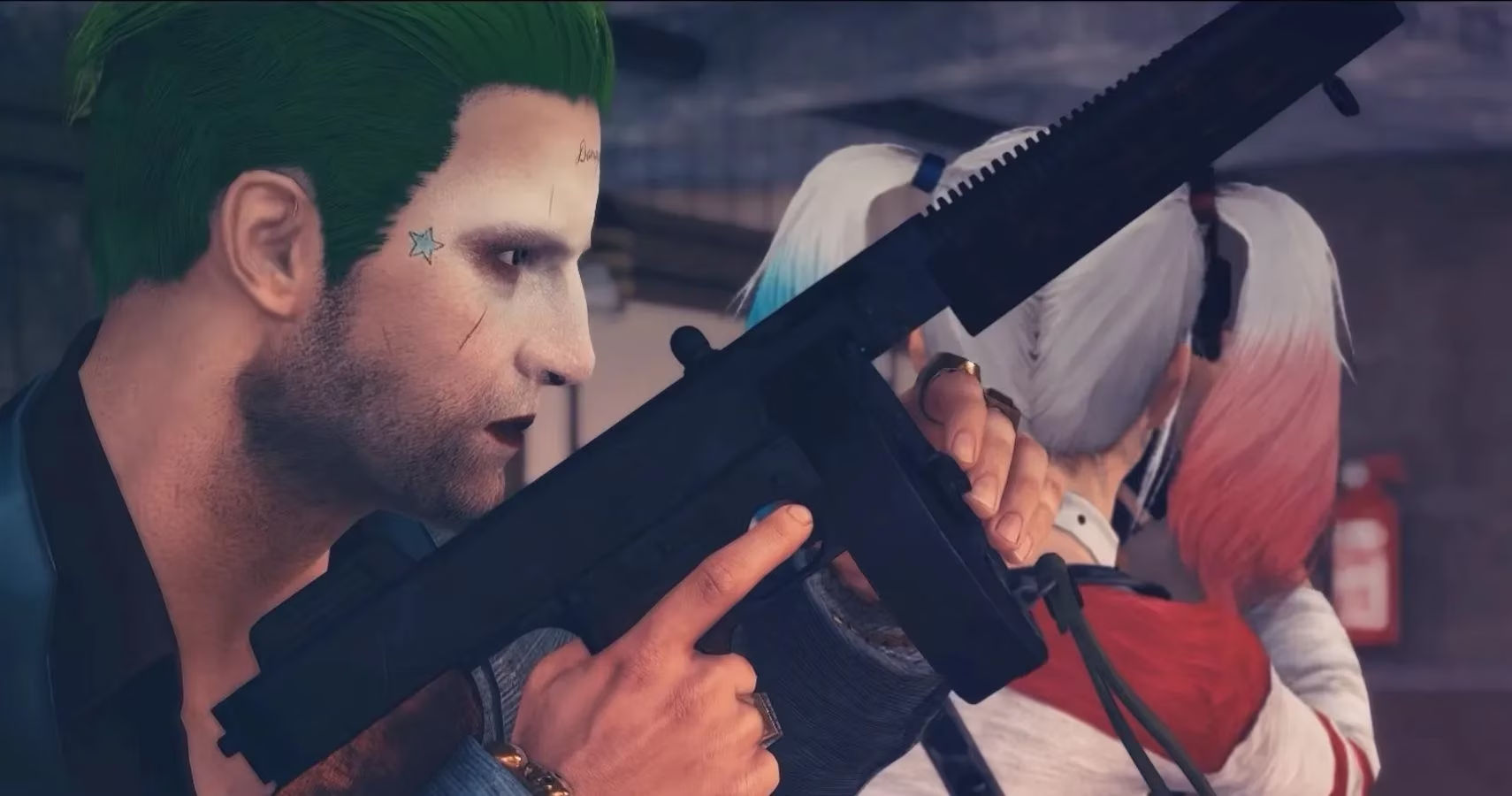
The announcement trailer was pure cinematic madness. The scene opened with Harley Quinn, still rocking her signature red-and-blue pigtails, locked in a makeshift Erangel prison. Suddenly, The Joker arrived in grand style, wielding his signature laugh and an appropriately vintage Thompson machine gun, ready to spring his beloved partner in crime from digital confinement. Harley emerged with a fierce grin, her Magnum revolver in one hand and that iconic baseball bat slung over her shoulder, bringing a new meaning to 'close-quarters combat' on the battlegrounds.
The Great Collaboration Mystery
Why would these particular characters cross over into the deadly serious world of PUBG in 2026, long after their cinematic peak? The timing was truly perplexing. The original Suicide Squad film, starring the dynamic duo as portrayed by Jared Leto and Margot Robbie, premiered back in 2016. Their resurgence in popularity, while boosted by various animated appearances and video game roles over the years, seemed an unusual choice for a tactical battle royale known for its realistic military aesthetic. Yet here they stood, proof that in the world of licensed content, even the most unlikely partnerships could become reality.
Observers of the gaming industry noted that this was part of a broader superhero strategy across the battle royale genre:
🎭 DC Universe's Strategic Move: Partnering with PUBG for Joker and Harley
⚡ Marvel's Counter: Choosing Fortnite for their character integrations
🎬 Thanos's Legacy: The precedent set by the Mad Titan's limited-time availability
💼 Corporate Strategy: Competitive studio relationships playing out through in-game content
Visual Mayhem on the Battlefield
The skins themselves were truly something special. The development team at Bluehole (now part of KRAFTON) had clearly put significant effort into translating these colorful characters into the military-survival context of PUBG. The Joker's purple suit and green hair clashed wonderfully with the khaki and olive-drab gear most players wore. Meanwhile, Harley Quinn's costume, complete with diamond patterns and her red-and-blue color scheme, made her the most visible target across the grassy plains of Erangel, but that never stopped Joker's main squeeze from running headfirst into firefights.
The real question on every player's mind was how these skins would affect gameplay. Would the bright colors act as a disadvantage by making players easier to spot? Or would the psychological element of seeing these chaotic characters rush your position provide enough distraction to create tactical openings? Early testing during the limited-time event revealed some surprising patterns:
| Player Reaction | Percentage | Common In-Game Behavior |
|---|---|---|
| Immediate Aggression | 68% | Players fired at Joker/Harley first |
| Increased Team Coordination | 42% | Squads prioritized these targets |
| Psychological Distraction | 75% | Players reported being 'unsettled' |
| Fashion Over Function | 35% | Players chose skins despite tactical disadvantage |
Weaponry Fit for Clowns & Criminals
The collaboration brought more than just cosmetic enhancements. Harley Quinn's signature baseball bat was introduced as an exclusive melee weapon with custom animations. Each swing was punctuated by her gleeful laughter and audible phrases when landing successful hits. For The Joker, his Thompson submachine gun received a unique skin featuring green and purple highlights, with special muzzle flashes that resembled the iconic 'HA HA HA' lettering of his calling card.
Interestingly, these additions created a temporary imbalance in close-quarters scenarios. Melee weapons had always been considered a last resort in PUBG, but with Harley's bat dealing slightly increased damage (presumably due to her 'enhanced' strength in lore) and having a faster swing animation than other melee options, players found themselves experimenting with more aggressive building-clearing strategies. The community response was predictably mixed, with traditionalists decrying the 'cartoonification' of their tactical shooter, while others embraced the chaotic fun.
The Cross-Franchise Battle Royale War
This collaboration didn't exist in a vacuum. Observant fans noticed the timing coincided with Marvel's continued partnership with Fortnite, where various superheroes and villains had been making regular appearances for years. This seemed to mark a new phase in the superhero battle for digital domination. DC had chosen to back the slower-paced, more realistic PUBG, while Marvel continued to align with the faster, building-focused gameplay of Fortnite.
Each partnership revealed something about the respective games' identities:
💀 PUBG's Direction: Embracing single-character IPs with violent, mature themes
🦸 Fortnite's Path: Integrating multiple Marvel heroes with family-friendly crossover events
📈 Strategic Positioning: Both games carving distinct niches in a crowded market
👥 Audience Appeal: Different approaches to attracting casual and dedicated players
Why This Collaboration Matters in 2026
Nearly a decade after Suicide Squad changed how DC approached ensemble films, these characters remain cultural icons with remarkable staying power. In 2026, with superhero fatigue reportedly settling in among cinema audiences, video game platforms offer a fresh canvas for character development and fan engagement. The PUBG collaboration demonstrated that legacy characters could find new life in unexpected environments, introducing them to audiences who might never watch a comic book movie but spend hundreds of hours perfecting their aim on virtual battlefields.
Some cynics in the gaming community speculated this was simply a desperate move by PUBG to counter the continued success of its competitors. With battle royale mode now included in seemingly every major franchise and standalone battle royale titles continuing to emerge, maintaining player attention requires increasingly bold moves.
However, most players embraced the temporary insanity. For a few weeks in 2026, the battlegrounds of PUBG transformed into something wonderfully bizarre. Picture this familiar scenario:
-
✅ A tense endgame circle in Sanhok
-
✅ Teams hunkered down in strategic positions
-
✅ The distant sound of an approaching vehicle
-
⚡ Suddenly, The Joker's maniacal laughter echoes across the jungle
-
🔥 Harley Quinn's gleeful cries follow as she rushes your position
-
🏆 The winner isn't always the last alive, but whoever survives with the best story
The Future of Unexpected Crossovers
As gaming continues to evolve into the primary entertainment medium of the 21st century, these kinds of unexpected crossovers will likely become more common. The lines between different fictional universes continue to blur in digital spaces, where any character can theoretically meet any other character through the magic of licensing agreements and creative development tools.
Joker and Harley Quinn's invasion of PUBG serves as a landmark moment in this ongoing evolution. It proved that even the most serious, realistic games could benefit from occasional narrative absurdity. The limited-time nature of the event ensured it remained special, a brief window where tactical decisions were made not just on positional advantage or weapon loadouts, but on whether to help or hunt two of pop culture's most recognizable villains.
In the end, the success of this collaboration was measured by the stories players told. Forum posts and social media exploded with anecdotes and highlights: the time a player used The Joker's skin to psychologically intimidate an opponent into making a mistake, or the squad that role-played as a villain team hunting down everyone else on the map. These stories became part of PUBG's legacy, reminding everyone that beneath the tactical shooting mechanics and competitive rankings, multiplayer games are ultimately about shared experiences, memorable moments, and yes, sometimes about laughing with (or at) a homicidal clown in the middle of a firefight.